Posts Tagged "育兒"

Written by: Dr. Hui Long Kit


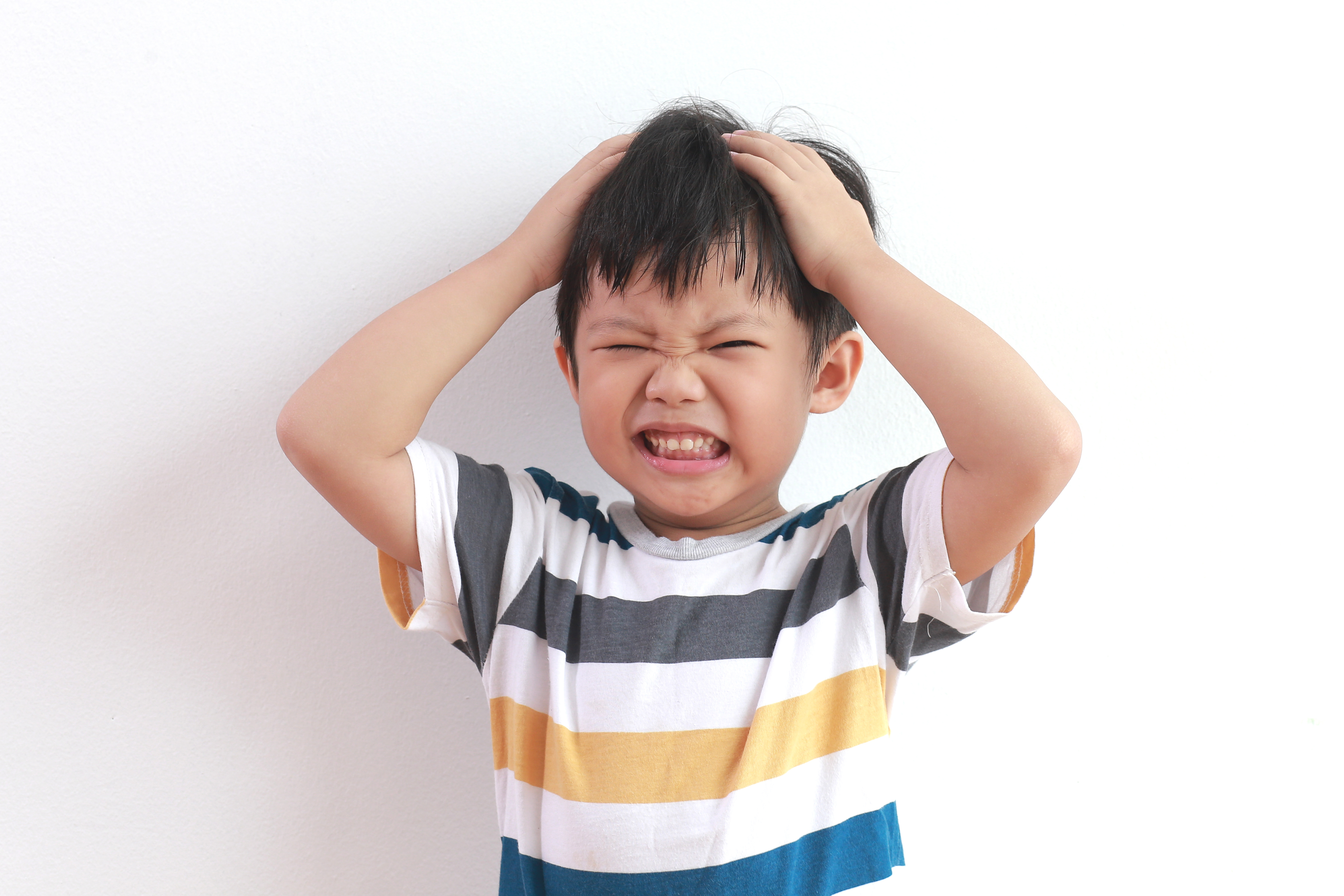
Many parents complain about their children being careless in their actions and messy in their homework. However, if a child is too meticulous and even perfectionistic, it may not necessarily be a good thing.


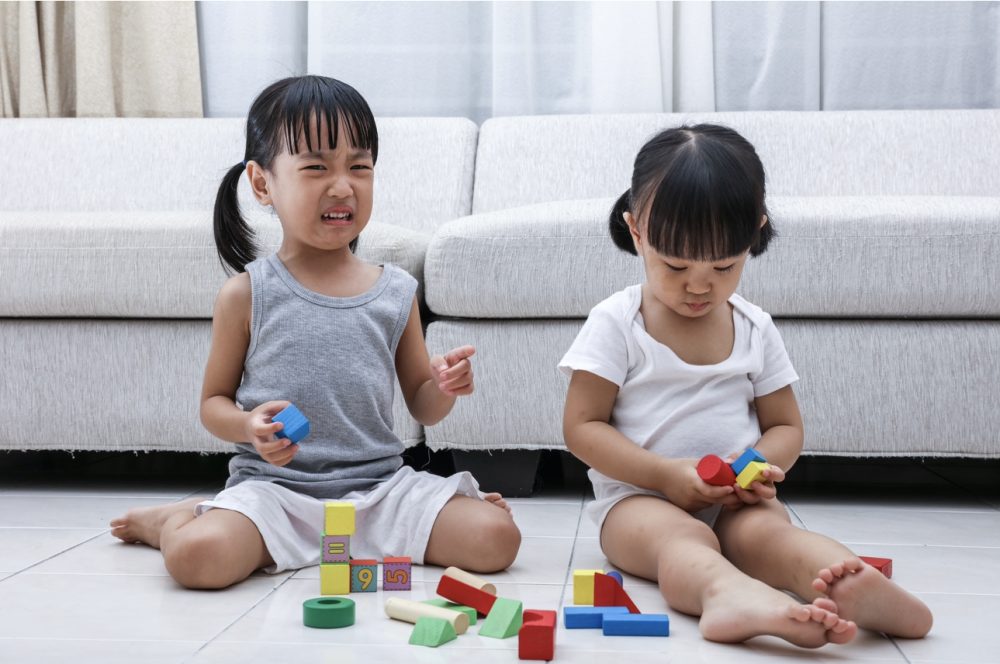
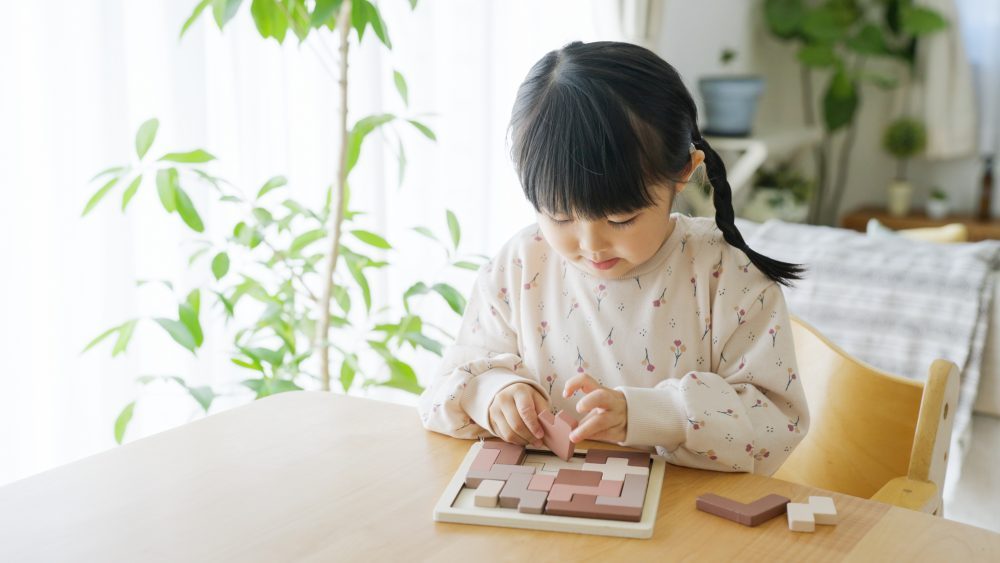
Many 2 to 3-year-old children love playing with toy cars, especially boys. However, some boys don’t enjoy pushing toy cars back and forth. Instead, they prefer arranging multiple toy cars in a straight line or grouping cars with the same color and shape together. They cannot tolerate even one or two cars being out of line or not sorted correctly, insisting on having everything neat and perfect. Most of these children have meticulous thinking but rigid and inflexible personalities, and they may possibly have “Autistic Spectrum Disorder” (ASD).


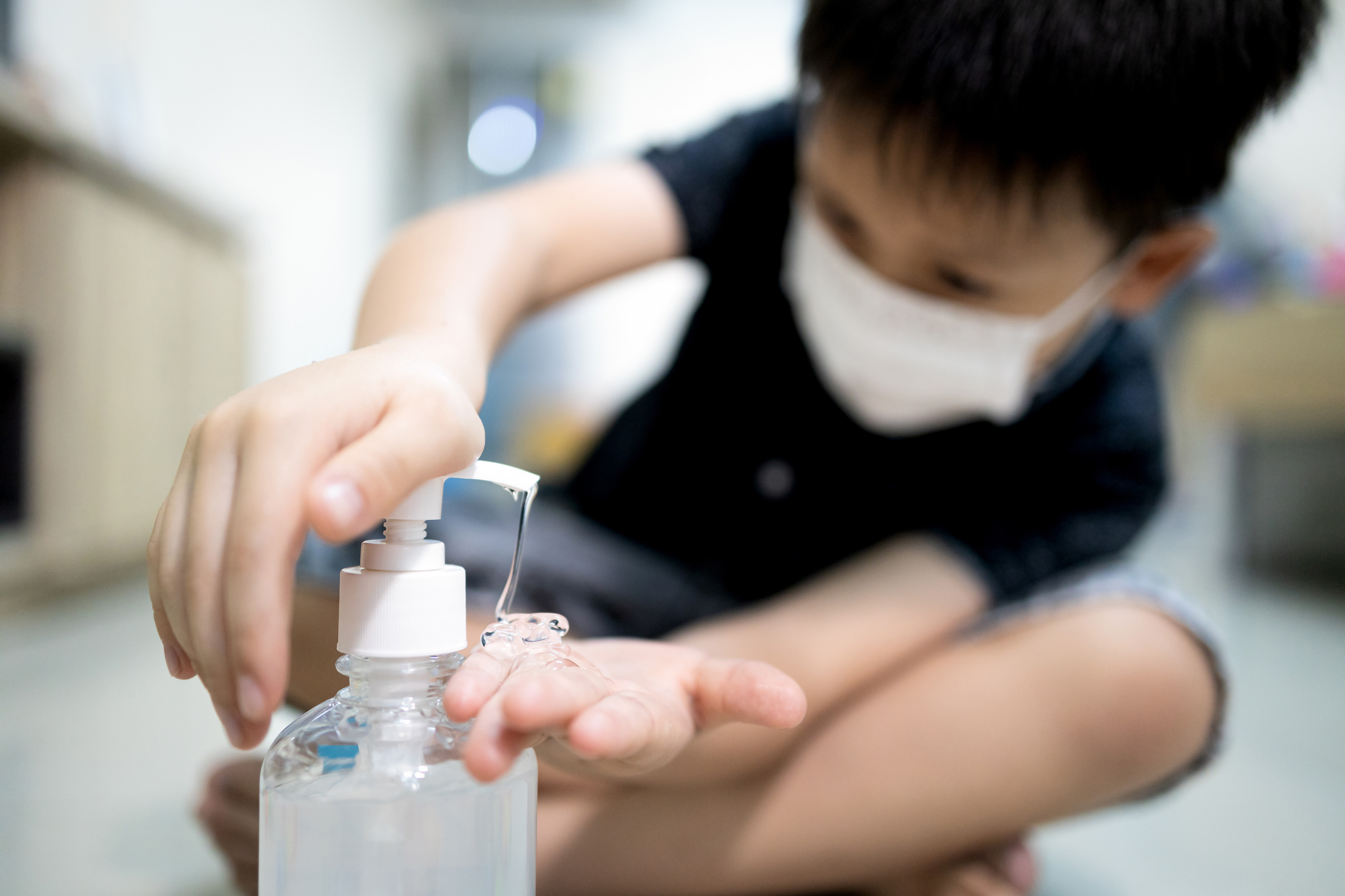
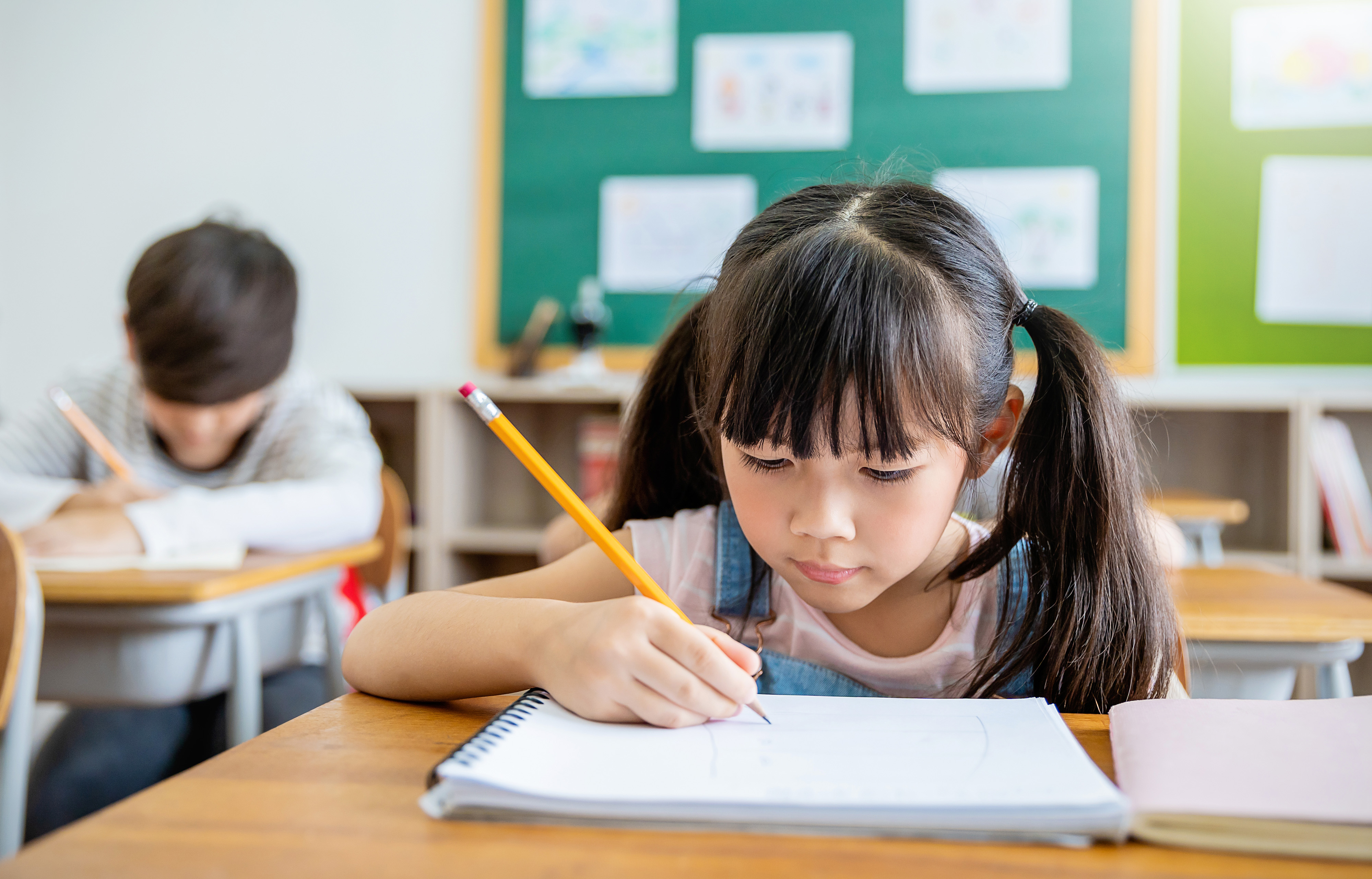
When children start reading and writing in primary school, some diligent and hardworking students will showcase beautiful handwriting in their exercise books, with each stroke as neat as computer printing. However, upon closer examination, one may notice that they press their pen or pencil very hard, causing the ink or lead to bleed onto the next page. Even if they make a small mistake in writing a word, they will erase everything and start over ─ this may indicate some “obsessive traits.” As they grow into adolescents, they may even exhibit symptoms of “Obsessive-Compulsive Disorder” (OCD), such as repetitive handwashing, excessively long baths, or constant checking of objects. Severe cases can significantly impact daily life and social interactions, requiring medical diagnosis and treatment.


The tendency of perfectionism usually stems from anxiety. Patients’ thoughts often lean towards catastrophizing, where even neutral things appear severe in the eyes of an anxious child. For example, if a child makes a mistake in their homework, they might worry about being scolded by the teacher, losing points, and ultimately getting worse grades. The more they dwell on these thoughts, the worse they become, leading them to feel compelled to make everything perfect, resulting in a very difficult and exhausting life.


Perfectionist children lead particularly tiring lives, and as time goes on, they may become unhappy or even experience depression. Therefore, when parents observe their children becoming more and more serious, they shouldn’t simply assume that they are just growing up, maturing, or having a certain personality. Instead, they should pay attention to the emotional symptoms that might be present.
撰文:許龍杰醫生


很多家長都埋怨自己的孩子,處事粗心大意,做功課亂七八糟。但假如孩子太細心認真,甚至是完美主義,也不一定是好事。


不少2 至 3 歲的小朋友,都愛玩車,特別是男孩子。可是,有些男孩子不喜歡把玩具車推來推去,只喜歡把很多玩具車排成一條直線,或把相同顏色和形狀的車子推在一起。他們不能忍受當中有一兩架車子排得不整齊,或者不能分類,硬是要一式一樣的工整完美。這類孩子多數思維慎密,但性格卻固執僵化,很可能是患有「自閉症譜系障礙」(Autistic Spectrum Disorder – ASD)。


到了小學時,小朋友開始讀書寫字,一些很認真勤力的學生,看看他們的練習簿,會發覺他們的字體很娟秀,一筆一劃就像電腦打印般正規工整。但當仔細看他們寫字,會發現他們下筆力度很深,連筆墨都印在下一頁上;即使只要一隻字寫錯了,就全部擦掉,從頭再寫 ─ 這可能有一點「強迫型特性」(Obsessive trait)。當成長至青少年時,甚至會有重複洗手、長時間洗澡或不斷檢查物件等「強迫症」(Obsessive Compulsive Disorder – OCD) 徵狀,嚴重的更會影響日常生活和社交,需要延醫診治。


完美主義的傾向通常都源於焦慮 (Anxiety),患者的思想往往傾向災難性,即使是一些中性事物,在焦慮的小朋友眼中往往都變得很嚴重。例如在功課中寫錯了一個字,小朋友就會想,這會不會被老師責罵,被扣分,然後成績變差呢?愈想愈壞,愈壞就愈想,最後唯有強迫自己做得完美一點,結果就活得很辛苦。


追求完美的小朋友,生活也過得特別累,長此下去,人也會變得不開心甚至抑鬱 (Depression)。所以,當看見小孩子變得愈來愈認真時,家長不要以為他們只是長大了、成熟了或生性了,而忽視當中的情緒病徵。

撰文:香港家庭教育學院主席司徒永富博士


有教師問筆者:「不少家長都問我有關升學、管教孩子的意見,其實我初出茅廬,人生經驗尚淺,要面對複雜的政策、養兒育女問題,常感到力不從心,應如何是好呢? 」


在每個學期,學校總安排一至兩次的機會,讓家長與老師見面,討論小朋友在學校的表現。筆者身為父親,一定爭取與太太一同出席,而每次短聚後,兒子總愛追問和想知道我們與老師討論了甚麼有關他的事情。最近一次,老師提及兒子在校還是比較安靜,不太主動,總喜歡扮演「觀察者」(Observer)的角色,太太急不及待地說他在家裡卻完全不同,非常活躍和「意見多多」。老師的反應並不驚訝,只是不斷地微笑,似乎非常接納小朋友在家一個模樣,在校又有另一個模樣。


太太當然用期待的眼神望向老師,渴望能為她指點迷津,應怎樣才可以讓孩子在學習環境中變得主動。還好,筆者說了幾句「公道」說話,憶述去年兒子入學時處處害怕,經常成「獨行俠」。過去一年晚上,與兒子的禱告總離不開去求天父讓他勇敢一點,而今年已經進步多了。回家途中,筆者亦不忘提醒太太,在很多事情都沒有標準答案和良方妙藥,而且老師又比我們年青,亦未曾為人父母,但卻有處理不同小朋友的經驗。所以,家長和老師在小朋友成長路上多點交流,才是最重要。 


還原真我

最近,有家長問筆者:孩子在學校十分乖巧,是個彬彬有禮的模範生,但在家裡卻經常發脾氣,為甚麼他會「人前人後兩個樣」?我應該如何處理呢? 


筆者的兒子在小一的上學期,曾連續兩星期發生一些「不可思議」的事,例如他心愛的「軍曹」手錶不翼而飛、書本被發現掉在清潔箱、習作簿被塗鴉及撕破。筆者和太太除了難以接受上述事件,仍想解開內心的迷團:究竟這些事情是誰做的?


太太在星期一的早上,特意到學校找老師討論事件,然而臨出門口前,筆者非常堅定地向太太說:「無論塗鴉、撕破或把書本當垃圾遺棄,我肯定這些事情一定不會是兒子作的。」太太問:「為甚麼你那麼肯定?」我的答案是:「因為兒子是我生的,我伴著他成長,我對他的性情暸如指掌。」最後發現,原來是他鄰近的同學作的。自那天起,筆者發現孩子在學校和在家裡的行為起了「微妙」的變化 - 孩子似乎學懂學校是一個社群:書本「過了界」會令鄰座同學不高興、而老師在學校有如球證,要「生存」便要懂得「遊戲規則」。可是放學回到家裡卻隨即還原真我,因為家裡有最了解他的爸爸、媽媽。


事實上,在成年人的世界,又豈不也是白天一個我,晚上一個我? 

Written: New Horizons Development Centre,

Registered Educational Psychologist, Pang Chi Wah


I once overheard a conversation between two mothers, and I wonder if the readers can relate to it. One of them said, “You’re so lucky! You have a well-behaved baby, but I wasn’t that fortunate…” Some mothers may believe that a child’s behavior is largely determined by their innate qualities. However, the truth is that postnatal nurturing is equally crucial, and a mother’s ability to grasp effective discipline techniques and maintain a stable emotional state can have a significant impact on their child.


When a mother wants to criticize or teach her child, she must first ask herself if she truly understands the underlying reasons behind the issue. Is there any room for improvement on her part, or can she find alternative ways to address the problem, rather than attributing everything to “good luck” or “bad luck”? There’s a saying, “When there is a master, there will be exceptional talents.” Many parents hope their children will achieve great success, but in reality, helping an ordinary child to thrive is not difficult, especially in today’s society, which advocates diversified development. Children have more opportunities to showcase their talents. While the past society revered “prestigious” professions like doctors and lawyers, as society transforms, people also appreciate excellence in design, arts, and other fields. Most importantly, as a mother, whether you seize the chance to carefully discover your child’s strengths is crucial.
 

However, good children also need good parents to nurture them. Although today is an era of gender equality, mothers still play a crucial role in the parent-child relationship. If a mother wishes to effectively educate her child, she must invest more time in participating in relevant parenting courses, listening to different experts’ opinions, such as educational psychologists, social workers, or other educators, to learn how to analyze the child’s situation and provide the most appropriate educational methods and assistance. Additionally, parents can join some parent support groups, or take the opportunity to stay in touch with other parents, exchange ideas and observations, share experiences and methods of educating children, which will be of great help to mothers in how to teach their children.


Therefore, if you want your children to succeed, as a mother, you must lead by example, strive to do what you should do, and actively learn disciplinary skills for children. Please remember: children come not to “take revenge” on you but to “repay kindness” to you. In the process of learning to discipline children, a mother can learn even more than what she teaches her child. While imparting knowledge and learning to educate children, she herself also benefits in knowledge. Moreover, the challenges encountered in the process are a test of patience and inner qualities for the mother, contributing to life experiences and understanding of life.


The title at the beginning of the article was “Good children are not born that way,” so in conclusion, I summarize with one sentence: “Good mothers are not born that way either.”


撰文:新領域潛能發展中心

   註冊教育心理學家彭智華


筆者曾經聽過兩位媽媽的對話,不知讀者有沒有同感,其中一位說:「你運氣真好!生了個乖寶寶,我卻沒那樣幸運……」有些媽媽或會認為,孩子好與壞,絕大部分與先天有關。事實上,孩子的後天培養亦十分重要,媽媽是否能掌握管教技巧和保持穩定的情緒狀態,均能為孩子帶來很大影響。


當媽媽要指責或教導孩子時,必須先問問自己,是否清楚問題背後的原因。自己會否也有一些不足之處,又或能否找到其他解決問題的可能性,並非將所有問題歸因於「好命」與「不好命」上。常言道:「世有伯樂,然後有千里馬」,很多父母都希望子女成龍成鳳,其實要令一般子女成材並不困難,特別現今社會提倡多元化發展,孩子能夠發揮的空間無疑也較大。過往社會崇尚醫生、律師等「尊貴」職業,但隨著社會轉型,社會同樣對於在設計和藝術等範疇中有出色表現的人予以欣賞。最重要的是,作為媽媽的有否把握機會,細心發掘孩子的優點。


但是,好的子女也需要好的父母去培育。雖然現今是男女平等的年代,但媽媽在親子的地位上仍是非常重要。若媽媽希望自己懂得教好孩子,就必須多花一些時間參加有關的親子課程,聽取不同專家的意見,如教育心理學家、社工或其他教育工作者,學習分析孩子的情況,並給予孩子最適當的教育方法及幫助。另外,家長也可參加一些家長互助小組,或把握機會與其他家長保持聯絡,互相交流和觀摩,分享教育子女的心得及方法,對媽媽如何教導子女將有莫大的幫助。


所以,若希望自己的子女成才,媽媽自己先要以身作則,努力做好自己應當做的事,積極學習管教孩子的技巧。請緊記:孩子到來不是要向你「報仇」,而是來向你「報恩」。在學習管教孩子的過程中,媽媽能夠學到,可能比教導孩子的還要多。因為在教育孩子的知識及學問的同時,自己於知識上也有得益。另外,過程中所遇到的困難,對於媽媽來說,也是耐性及內涵的考驗,增加人生的歷練及對生命的體會。


於文章的開首的點題是 「好孩子並不是與生俱來的」所以最後筆者亦以一句話作總結:「好的媽媽也不是天生的」。


Written by: Peggy Ho Pui Yee, Founder and Volunteer Executive Director of Good Love Passion


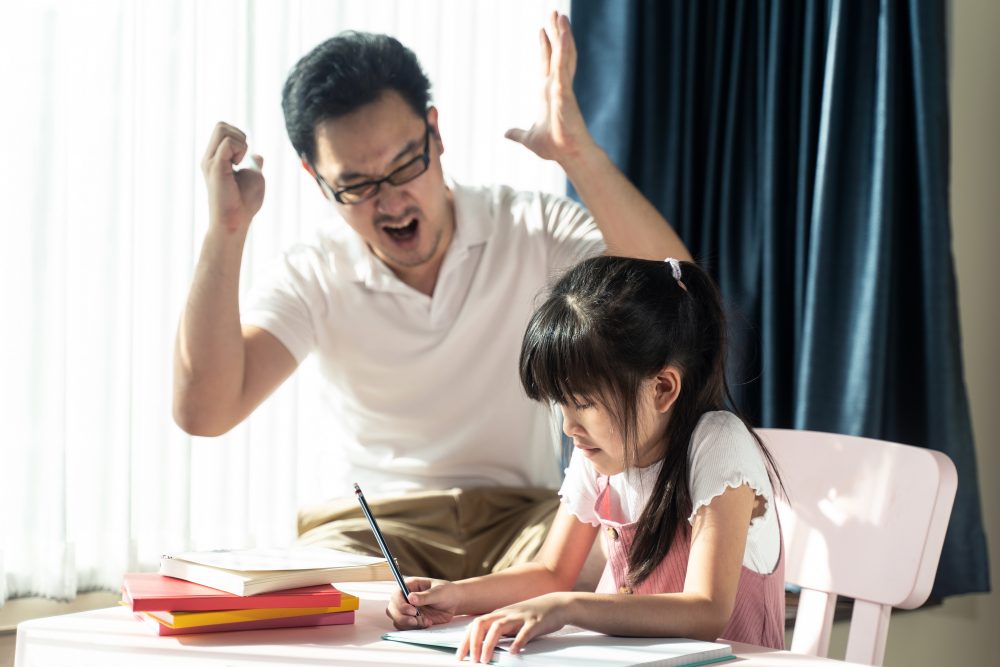
Being overly critical is the most common mistake parents make in disciplining their children. The phrase “love deeply, scold severely” reflects the emotions of most parents. Parents often fear that their children will develop any undesirable behavior during their growth, which may have lifelong consequences. Therefore, when disciplining their children, parents often resort to meticulous criticism as a way to remind them. In reality, making mistakes is an essential part of a child’s growth process. As children constantly change and grow, parents need to adapt to their developmental needs and adjust their approach to dealing with their behavior, even changing the way they interact with them.


For example, when a child fails to complete their homework on time, parents should calmly handle this common occurrence, as it is an opportunity for the child to improve and grow. Similarly, when a child talks back, it may indicate their emerging independence and critical thinking skills. It doesn’t necessarily mean they lack respect for their parents. As children grow older, they develop their own thoughts, opinions, and perspectives on various aspects of life. They also desire parental acknowledgment. As parents, we may not agree with these behaviors, but even in disagreement, we can understand the underlying needs of our children. This allows us to communicate more effectively with them and utilize appropriate disciplinary methods.
 

“While knowledge can change destiny, attitude determines everything!” Explosive anger and harsh accusations from parents are ineffective in discipline and serve no purpose. When parents understand how to gently and firmly assist their children and incorporate respect into daily life, children will develop a better understanding of rules and boundaries. Consequently, they will exercise more self-control and establish their own standards for behavior. With these standards in place, they will naturally become more independent, responsible individuals. Therefore, parents should establish boundaries in their children’s daily lives during their early childhood stages.


Since the age of one and a half, my daughter understood that writing is done on paper. Therefore, even at the age of 3, she has never stuck a sticker on the pristine walls of our home. She knows her boundaries and understands that a responsible child should keep the house clean. It is her responsibility. Parents establish guidelines for children to follow before discussing whether they are obedient or not.
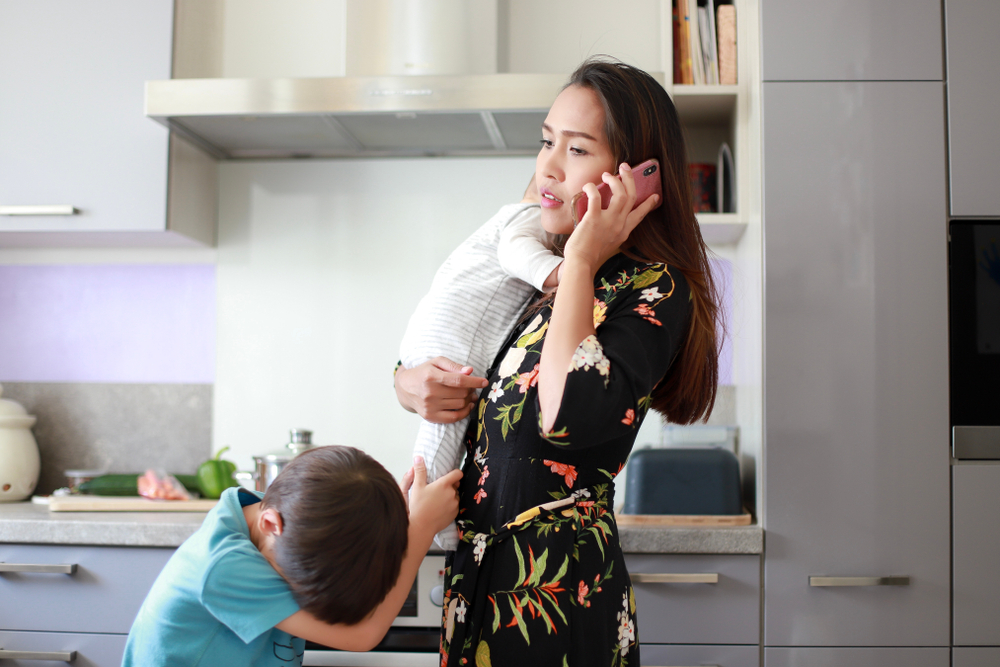
 

When setting boundaries for younger children, it is important to be clear and specific. For example, you can say to a toddler, “If you can’t do it, it means you’re not behaving.” However, for young children, the term “not behaving” is vague and difficult for them to grasp. In addition, when setting boundaries, it is necessary to establish the consequences of not complying. It is important to emphasize that these consequences are “results” and not “punishments.” Consequences are simply the natural outcome of an agreement between both parties, operating under natural laws, and they are distinct from punishments. For example, after playing, if a child is expected to clean up their toys, they can continue playing next time only if they tidy up. However, if they don’t clean up, according to the previous agreement, their toys will be confiscated for two or three days.
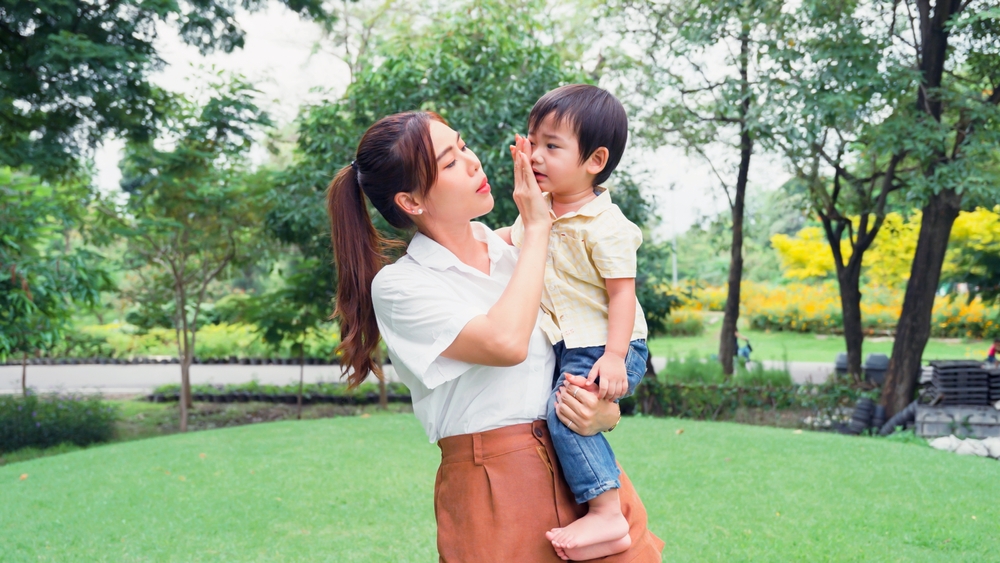
 

At this point, parents must make it clear to the child that this is the natural consequence of not fulfilling the agreement, not a punishment. Another example is when parents discuss with their child the time limit for watching TV or using electronic devices and set specific time boundaries. Similarly, if the child exceeds the designated time and doesn’t turn off the device, according to the previous agreement, they won’t be allowed to watch or use it for the next three days. When setting boundaries, parents need to ensure they are reasonable. Otherwise, it would be unfair to the child, making them more likely to cross the boundaries and become disobedient in the future.


While parents have the responsibility to teach children proper behavior, if the methods used are too impatient and harsh, lacking an understanding of the child’s growth process, it may lead to negative effects. Therefore, we should provide children with experiences of taking initiative to change for the better, engage in serious discussions, rather than resorting to severe punishments. Approaching the situation with a calm and composed demeanor can assist children in transforming their mistakes into opportunities for growth. Just like how children inevitably fall while learning to walk, we encourage them to pick themselves up and take another step forward.


When faced with a child’s misconduct, it is important to consider how to handle the situation in a way that fosters their ability to change. People generally do not intentionally make mistakes; the reason for making mistakes is often due to a lack of awareness. Making mistakes is not inherently frightening for children; what is truly concerning is making mistakes without understanding where they went wrong or how to correct them. If parents can approach their child’s mistakes with the right mindset and guide them towards making corrections using appropriate methods, these mistakes can become opportunities for reflection and progress. It also enhances the chance for communication between parents and children. Let us transform our children’s mistakes into beautiful errors.

撰文:GLP 全力愛創辦人兼義務總幹事林何佩儀


吹毛求疵,是父母管教子女最容易犯的錯誤;「愛之深、責之切」,是一般父母的心情。父母常恐懼孩子在成長過程中,學壞了任何的不良行為,會貽害終生。因此,父母在管教子女時,常常以無微不至的批評來提醒孩子。其實,孩子犯錯是成長的必經之路,孩子在成長過程中不斷改變,父母必須因應他們的成長需要來處理他們的行為,甚至改變與他的相處方式。


例如孩子未能依時完成功課時,父母應平靜對待這件平常不過的事,因為這正是讓孩子進步和成長的機會。又例如孩子駁嘴,可能顯示他們開始學習獨立思考,並不一定是對父母不尊重,只是當孩子日漸長大,自我主張開始出現,有自己的思想和看法,對現實生活中的各項事情有自己的立場,同時渴望得到父母能認同。作為父母,當然不贊同這些行為,但即使不贊同,也可以了解孩子背後的需要,這樣我們便能更有效地和他們溝通及運用恰當的管教方法。


「知識雖能改變命運,態度卻取決一切!」父母大發雷霆橫加指責,對管教從不湊效,毫無意義。當父母懂得溫柔而堅定地幫助孩子,將尊重帶進日常生活中,孩子便會更了解事情的規則和界線,這樣他們以後就會更有分寸,也會為自己的行為建立一把尺。有了這把尺,他們自然會成為自理自主和負責任的人。所以,家長應在孩子的幼兒階段時,便在他們日常生活中定立界線。


筆者的女兒自 1 歲半開始,已經明白字是寫在紙上的道理,所以當她 3 歲時,也從不在家中雪白的牆上貼過一張貼紙。因為她清楚知道自己和我的界線,也了解一個自理的孩子應當保持家居的整潔,這也是她的責任。父母讓孩子有遵循的方針,之後才去談他們是否聽話。


對年齡較小的孩子,立界線時要具體清楚說明,例如你跟幼兒說:「若果你做不到,就表示你不乖。」其實對於幼兒來說,「不乖」是模糊的字眼,他們難以捉摸。此外,立界線時必須訂出若未執行的後果,筆者需要強調是「後果」,並非「懲罰」。後果只是結果,從雙方的協議中定立,所以它們是在自然法則下自然運作的結果,和懲罰完全是兩回事。例如當玩耍完畢後,孩子要自行收拾玩具,收拾好下次可以再玩;但如果沒有收拾,按照之前大家的協議,玩具就會被沒收兩天或三天。


這時候父母必須清楚讓孩子明白,這就是他沒有履行協議的自然後果,並不是懲罰。又例如父母可以和孩子商討看電視和使用電子產品的時間,並訂下時限。同樣地,如果孩子過了限定時間還不關機,按照之前大家的協議,往後三天都不可以再看或使用。家長立界線時要注意合理性,否則就是入孩子於罪,孩子容易觸犯到界線,將來不聽話的可能性反而更大。


雖然父母有責任教導孩子正當的行為,但若方法過於急切與嚴厲,對孩子成長過程缺乏認識與理解,反而可能導致負面作用。所以我們要讓孩子有主動改過的經驗,要嚴肅討論,並非嚴厲懲罰。心平氣和能協助孩子將錯誤轉化為成長的養分,就像孩子學走路的過程中難免跌倒,我們會鼓勵孩子自己慢慢爬起來,再跨出步伐。


面對孩子犯錯的行為,該如何處理才能培養孩子改過的能力,是我們更該關注的。一般人很少故意會去犯錯,人之所以會「犯錯」,通常都是因為沒有「覺知」,會錯就是因為不知道。其實,孩子犯錯並不可怕,可怕的是犯錯卻不明白錯在那裡,不知怎樣才能改好。父母如果能以正確的心態面對孩子犯錯,以適切的方法引導孩子改正,犯錯也能成為檢討和進步的轉機,增進親子間溝通的機會,讓孩子的錯成為一種美麗的錯誤吧。

Source: Speech Therapist, Miss Carley

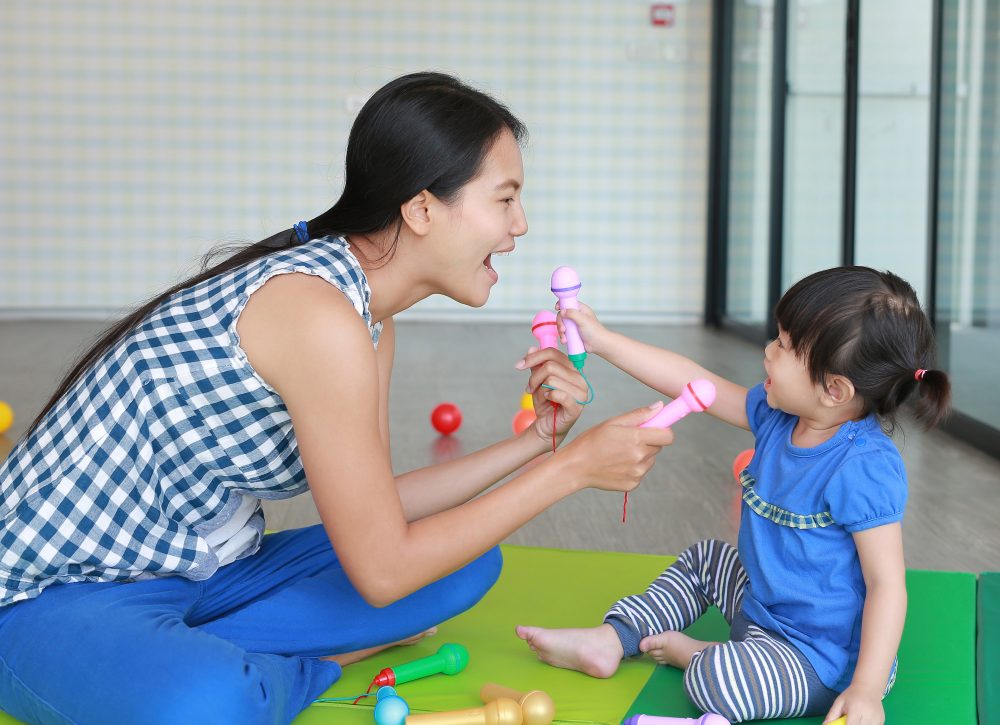
In order to help children learn a language, parents use various methods. Have you ever considered singing as one of the methods? Music is an international language and is highly engaging for children. We also have many different ways to use music to assist children in language learning.

One simple method is called “lyric filling.” This method can be used for children who may not yet be able to speak or can only say a few words. Parents can try using this method. Choose a familiar song that the child knows, such as “Twinkle Twinkle Little Star.” However, instead of singing the entire song, use a single syllable to sing the entire song, for example, “ma ma ma ma ma ma ma ma ma ma ma ma ma.” Then suddenly stop and wait for the child to hum or sing the remaining syllable. Parents can encourage the child to vocalize that particular syllable.


The second method is to sing action songs with children, which involve movements. For example, the well-known song “If You’re happy and you know it, clap your hands.” You can sing this song with the child while performing different actions. Through this, children can learn different movements and some nouns and vocabulary.

Interestingly, music can enhance children’s memory. Have you ever noticed that there are many songs we heard when we were young or many years ago, and even if we haven’t sung them in years, we can still remember the lyrics? Therefore, we can simply sing the ABC Song with children to teach them basic English letters. We can also learn numbers with children, for example, “One Little, Two Little, Three Little Indians.”


If we want to teach children the English names of the days of the week, we can sing “Monday, Tuesday, Wednesday, Thursday, Friday, Saturday, and Sunday” with them. By incorporating vocabulary into music, it makes it easier for children to remember the words.

The fourth method is to try singing out certain phrases, similar to singing. We can also use props to assist, such as simple flashcards. For example, if we want to say, “Chan Siu Ming is eating an apple,” we can sing it out using a musical approach, which enhances the child’s motivation and interest in communication.

資料來源:言語治療師媽媽Miss Carley

為令小朋友學習語言,家長都會使用不同方法,有想過唱歌也是其中一個方法嗎?音樂是一種國際的語言,對小朋友來說是很有趣味性的,我們亦都有很多不同的方法,利用音樂幫助小朋友學習語言。

最簡單的一個方法叫作歌詞填充法,對一些可能未懂得說話,或只會說一些單字的小朋友來說,家長可以嘗試利用這個方法。家長可以選擇一首小朋友比較熟識的歌,例如Twinkle Twinkle Little Star,但這次就不唱這首歌出來,只用一個單音去唱整首歌,例如ma ma ma ma ma ma ma ma ma ma ma ma ma,然後突然之間停下來,等小朋友哼唱剩下來的那個音出來,可以鼓勵到小朋友讀那個單音出來。


第二個方法就們可以與小朋友唱一些稱為Action songs,即是牽涉動作的歌曲。例如最為人熟悉的If you’re happy and you know it, clap your hands。這可與小朋友一邊唱,一邊做不同的動作,從中小朋友可以學到不同動作和一些名詞和詞彙。

原來音樂都可以加強小朋友的記憶,大家有沒有發覺有很多歌我們以前小時候或很多年前聽過,就算很多年沒有唱,其實還會記得這些歌詞。因此,我們跟小朋友可以簡單地唱ABC Song,可以教小朋友學簡單英文字母 ,又或者可以跟小朋友學數字,例如one little two little three little Indians。


如我們想小朋友學日子的英文名,這樣可以跟他們唱Monday Tuesday Wednesday Thursday Friday Saturday and Sunday,這樣可把一些詞彙加入音樂裡,令小朋友更容易去記詞彙。

第四個方法就是可以嘗試把一些說話,好像唱歌般唱出來。我們可以同時找一些道具幫忙,例如簡單的鋼片,例如我們要說:「陳小明,食蘋果。」則可用一些唱歌的方法唱出來,加強小朋友溝通的動機和興趣。

Written by: Dr. Tik Chi-yuen, Director of Hong Kong Institute of Family Education 


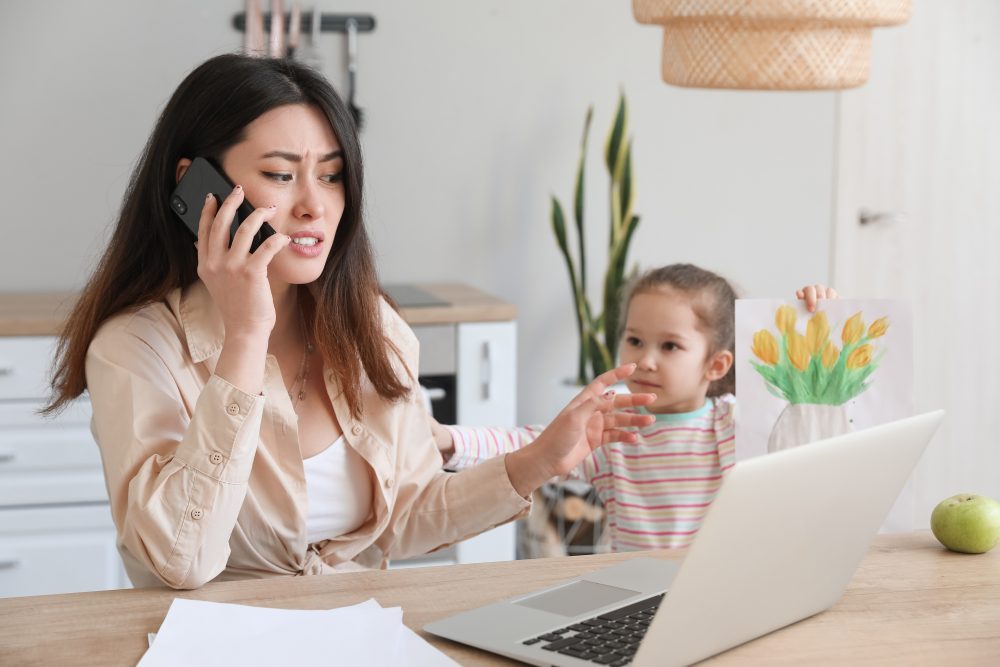
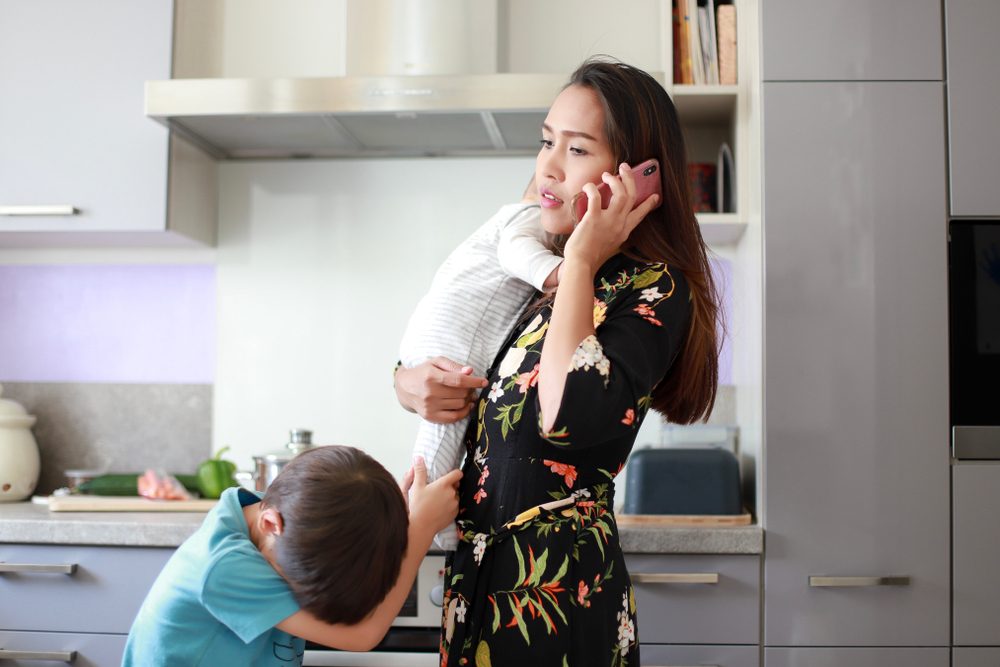
Hong Kong is a highly competitive society that emphasizes efficiency, high added value, and high productivity. Therefore, Hong Kong people are known as “workaholics” or are forced to accept long working hours. In theory, our work hours have regulations, such as working from nine to five or nine to six. Of course, there are professions with longer working hours, but there should always be an end to the workday. However, in recent years, many individuals continue to be busy with work even after leaving the office. Additionally, with the advanced electronic platforms and the internet today, it has become more convenient for people to work and communicate on these platforms even after work. As a result, without realizing it, we no longer have a stable off-duty time. When we return home, we still open our computers to continue checking and replying to emails, reading reports, and writing proposals, and so on.


Long working hours not only have an impact on our physical and mental health but also cause constant concern about work progress, leading to psychological stress. This stress seriously affects the emotions of family members, which is why Hong Kong people generally experience emotional stress. Bringing work home means not only bringing some tasks or assignments but also bringing work-related stress. These pressures unconsciously affect our own emotions and, consequently, the emotions of our family members. Naturally, children hope that their parents can spend time playing with them, but when parents are busy with work at home, they may find their children bothersome and transfer their emotions onto them.


Family is a place that promotes mutual support among family members, and we should have more profound emotional interactions, sharing care and love with each other. However, when we bring work home, everyone can feel your stress and emotions, and gradually, children may find it difficult to communicate with you, resulting in a serious impact on the parent-child relationship, which is not worthwhile.


When we come back home, it’s not about continuing to deal with work matters, but rather about building intimate relationships with family members. So, when you come home, engage in more intimate behaviors with your family, such as hugging, playing games, and telling stories. At the same time, express love and share thoughts. At home, it’s about talking about love and affection, rather than being busy replying to work emails. This not only helps to relax everyone’s mind and body but also allows us to enjoy the joy of family.


Work when you’re working, play when you’re playing. This is the simplest principle, so please everyone, keep work in the office and bring a joyful mood back home.

撰文:香港家庭教育學院總監狄志遠博士


香港是一個高度競爭的社會,講求效率、高增值和高生產,所以香港人都是「工作狂」,或被迫接受很長的工作時間。理論上,我們的工作時間是有規則的,例如:朝九晚五或朝九晚六,當然亦有些職業是有更長的工作時間,但總會有下班的時間。不過,近年有不少朋友下班後仍會把工作帶回家繼續忙碌,再加上現時的電子平台及互聯網非常發達,所以更方便大家下班後仍可以在電子平台上繼續工作及聯絡。結果,在不知不覺間,大家變得沒有穩定的下班時間,回到家中仍打開電腦,繼續查看和回覆電郵、看報告和寫計劃書等等。


工作時間長,除了對身心健康造成影響外,時刻記掛著工作的進度,同時亦會造成心理壓力,嚴重影響家人的情緒,所以香港人普遍都有情緒壓力問題。把工作帶回家,不單是一些事務或任務,同時是把工作壓力一併帶回家。這些壓力會不知不覺影響自己的情緒,也因此影響家人的情緒。當然,子女希望父母能陪他們玩耍,但父母在家要忙於工作,於是覺得子女很煩,便將情緒轉嫁到孩子身上。


家庭是一個促進家庭成員互相支持的地方,我們在情感上應有更多更深入的互動,互相分享關懷與愛。但當我們把工作帶回家後,大家會感受到你的壓力及情緒,子女逐漸會覺得與你難以溝通,結果嚴重影響親子關係,那是十分不值得的。


我們回到家中,不是延續處理事工,而是要與家人建立親密關係,所以回到家中,要多與家人有親密行為,例如擁抱、玩遊戲和說故事等。同時要多表達愛意,分享心事。在家中是談情說愛的,而不是忙於回覆公司的電郵。這不單可以舒展大家的身心,也懂享受家庭樂。


工作時工作,遊戲時遊戲,這是最簡單的道理,就請大家把工作放在辨公室內,將愉快的心情帶回家中。

資料來源:香港教育大學社會學講座教授趙永佳教授


2023年已過了5個月,暑假很快又會到,然後又到9月開學日。這意味著一班K3同學準備迎接小學生活,但這班同學過去3年幼稚園生涯,大多都在疫情下的網課經過,甚少面授課程,又少機會與人接觸。家長可以如何幫助他們在心理和生理上適應升小生活?


升小一的同學最多只是等於K2程度,因為他們最少有一整年沒有回學校上課,而從幼稚園到小學,本來就已經有很多東西要適應,例如上學時間、在學校裡一些生活上的細節,甚至整個周期和學習模式都不同了。幼稚園一節課大約20分鐘左右,然後已經要轉另一節課,但是在小學可能是35分鐘或以上,很難維持集中力,所有這些問題,都會對小朋友造成很大的適應問題。


如何跟小朋友說明幼小交接的變化才是最好呢?首先家長不要太緊張,有很多小學會舉辦模擬課程,會有適應週,亦可參觀學校。小學比幼稚園大,小朋友可能會感到很高興,因為有很多不同的設備,他可能會有很多期待。但是我覺得有些事情要先開始才知道,太早和他說太多也沒有用,只能告訴他:「對,學校就是這樣。」


另外,有些事情小朋友現在還未能做到,並不代表他做不到,要待他長大。家長很多時候都是這樣,有些事情是沒有辦法,不能勉強的,而是要等待小朋友成長到那個階段才能做到,要記住每個小朋友的成長速度都不同。剛開學後他們放學回來,可觀察他情感的轉變,如果看到他有這些情況就要注意了。


小朋友的適應是需要時間的,但有時家長也要適應。在幼稚園我們稱為Homeroom(固定上課地點),由一名老師帶領,所以小朋友只會經常看到一兩位老師。如果在家長參與或家校協作時,很簡單只要找回那位老師便可。在小學,每個科目都有不同的老師,所以有時候出現狀況時,我們就要思考怎樣和老師溝通。

資料來源:註冊臨床心理學家 饒方莉


家長有時面對兩個小朋友的時候,都會不知所措。例如可能當哥哥姐姐過來找你時,年紀小的弟妹就在哭。我們很多時只顧及弟妹,而忽略了哥哥姐姐,大的可能會說父母偏心只會關心弟妹。我們如何盡量平衡在兩個小朋友之間的照顧和使他們感覺到一樣的愛護?


以剛剛的例子,可能當哥哥姐姐過來找你的時侯,媽媽要跟他說:「現在我需要照顧弟弟或妹妹因為他可能身體不適或他正在哭。」這可以令哥哥姐姐知道原來媽媽需要照顧弟妹,「但是媽媽也很關心你的情況,不如稍後媽媽過了一些時間,我再過來找你看看你的需要或和你聊天。」


當然如果父母都在家時,便可以分工。爸爸陪伴年紀大的孩子,媽媽陪伴年紀小的孩子,但是香港人都比較繁忙,可能只有一位家長在家,也需要排一個優先次序。甚麼時候照顧年紀大的孩子?甚麼時候照顧年紀小的孩子?


第二個情況是可以邀請哥哥或姐姐一起照顧弟妹,例如說:「不如你過來幫我,我們一起嘗試能否安撫弟妹的情緒。例如拍拍他、跟他唱歌或和他聊天。」如果大哥哥或姐姐做到時,媽媽可以給予肯定和鼓勵:「你真的做得很好,是一個很好的哥哥或姐姐,媽媽真的很開心有一個這樣得力的小幫手。」這使他感覺到他也可以參與其中,可以做一個哥哥姐姐的角色去幫忙。


但是當我們安撫完弟妹的情緒後,我們也需要回到哥哥或姐姐身邊與他聊天,問他剛才為甚麼找我呢?他是想和我聊天還是想與我玩呢?


另外,最重要的是晚上睡覺的時間, 因為這是最親密的親子時間。如果兩個的情緒也比較穩定,我們可以有一個三人一起的夜間睡前常規,例如是一起唱歌、聽故事、拍一下或掃背按摩等。媽媽可能在唱歌時能拍着兩個小朋友,我們可能左手右手各拍一個小朋友,並邀請哥哥或姐姐也一起參與拍拍的過程。可能他一隻手拍着媽媽,一隻手就拍着弟妹,這樣就好像有個三人一起分享的親密時刻,使睡覺也像與家長建立一種關係,而同時是三人一起的時刻。


我們需要建立一些恆常和獨立的一對一的特別親子時間,例如是星期一晚上七時至八時就是媽媽與年長的孩子,星期二晚上七時至八時就是爸爸與年幼的孩子。


如此類推把父母的角色調換,與不同的小朋友相處,一對一的,使他們在這個特別的親子時間,能感受到父母跟自己有一個親密相處的時光,使孩子選擇他喜歡玩的東西,然後家長就是跟從孩子建議,讓孩子作主導。


例如他想玩玩具就陪伴他,他想玩桌上遊戲就陪伴他,在當下就全心全意陪伴他,可以形容他當下的感受心情或是他正在做甚麼,令孩子感受到家長是很願意付出時間和很有愛地陪伴他,也規劃了弟妹和哥姐也有這種特別的親子時間,讓他們感覺到父母是平等地疼愛自己。希望以上方法能幫助家長處理兩個小朋友的相處,使他們覺得可以平均地感受到父母的疼愛。


Source:Registered Clinical Psychologist, Yiu Fong Lee


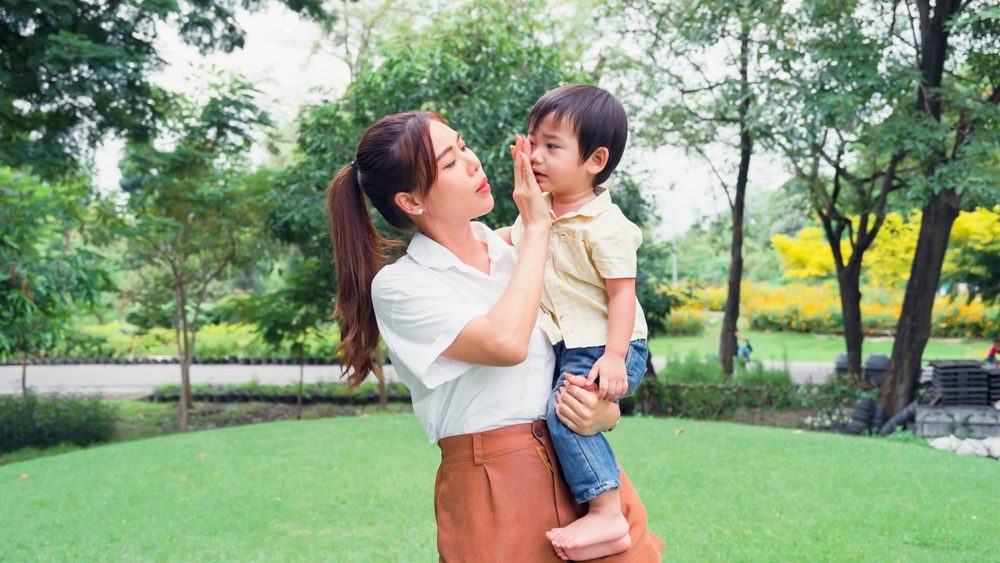
Sometimes, when parents go out with their children, they often encounter situations where the children are having a great time but then start crying and refuse to go home. They cry uncontrollably, regardless of whether we try to coax them, punish them, or explain the reasons. They may continue crying persistently, and we really don’t know what to do. How can we handle such situations with our children?


First, we need to understand the child’s emotions and ask about the reasons behind their reluctance to go home. What is the reason that makes them not want to go home? Do they want to continue playing? Parents can say to them, “I also want to know what happened. Why don’t you tell me?” Sometimes, in clinical practice, we may hear several different possibilities. For example, the child may say, “I’m very happy because it’s really fun here, and I want to keep playing,” or “I’m scared to go home because I’ll have to do homework or study,” or “I’m afraid of some relatives at home because they might scold me.” By understanding the reasons, we can help the child express their emotions.


The mother can respond by saying, “Mom hears you. You want to continue experiencing this feeling of happiness,” or “Mom hears you. You’re afraid of studying or feel a lot of pressure with exams,” or a third response could be, “You feel scared of certain people at home, and it seems like you’re not happy being around them.” Then, we can brainstorm together with the child to find ways to deal with the situations mentioned above.


For example, in the first scenario where the child wants to continue experiencing the happy feeling, we can brainstorm with them about activities they can do at home that would give them the same sense of happiness. For instance, if they enjoy watching TV, playing on a tablet, or playing board games, they can continue engaging in similar activities or play with toys at home once they return.


The second scenario might involve fear of academic pressure and exams. The mother should explain to the child how to cope with study-related stress. For example, they can create a schedule where different tasks or homework are assigned to different times, letting the child know that after effectively completing these tasks, they will have leisure time. Parents can also engage in mindfulness exercises with the child, such as focused breathing or body scanning, allowing them to feel sensations in different parts of their body and helping reduce stress reactions. Parents can practice together with the child, allowing them to relax and not feel overly anxious about studying and exams.


If the issue revolves around the child’s relationship with family members, it is encouraged to allocate more playtime with relatives or engage in activities the child particularly enjoys together with them. It is also important to have moments of quiet listening, to truly understand what the child fears about the elders. We let them express their thoughts and feelings and listen attentively, making the child feel that the parents understand their world and know their needs.


Another approach is to create a behavior-consequence matching chart with the child before going out, as a form of mental preparation. For example, write down the specific time range for visiting an entertainment venue on the chart. If the child can adhere to the schedule and leave the venue on time, they will earn a reward symbol on the chart. This immediate reward could be their favorite food or the opportunity to obtain their favorite toy.


If the child refuses to leave the entertainment venue, throws a tantrum, or arrives home late, we will also assign a negative symbol on the behavior-consequence matching chart, indicating a negative consequence. For example, it could involve taking away all entertainment privileges for the rest of the evening or even not being able to visit their favorite entertainment venue for a week. This behavior-consequence matching chart should be discussed and created together with the child before going out, and its contents should be reviewed after each outing to ensure its appropriateness. Adjustments can be made to the chart, adding or removing consequences, to provide the child with a clear goal to follow, making them realize that they are expected to return home.

資料來源:註冊臨床心理學家饒方莉


家長有時候和小朋友外出的時候,常常遇見他們玩得很開心,接着哭了不願意回家,哭得天崩地塌,不管我們用哄還是責罰或者是解釋原因,小朋友也可能繼續持續地哭的,真的不知道該怎麼辦。我們可以如何去面對小朋友這樣的情況?


第一,我們首先要明白小朋友的情緒和問問他背後的原因,甚麼原因令他不想回家?想繼續玩下去?家長可以跟他說:「我也很想知道發生了甚麼事,不如你告訴我吧。」有時候我們臨床會聽到有幾個不同的可能性的,例如可能小朋友說:「我很開心,因為這裡真的很好玩我想繼續玩下去」或者「我很害怕回家,因為回到家後要繼續做功課或者溫習」,又或者是「我很害怕家中的一些長輩,因為他們在的時候可能會罵我。」我們先了解原因,也幫助他說出自己的情緒。


媽媽可以回應:「媽媽聽到了,你很想繼續把這個開心的感覺延續下去」、「媽媽聽到了,你對讀書考試很害怕或者有很大壓力」或是第三「你對家裡一些人很恐懼,跟他相處好像很不開心」。接著,我們可以和小朋友一起去想方法面對以上的情況。


例如第一個情況他很想繼續玩有開心的感覺,我們可以跟他一起想回到家後有甚麼事情,可以令他一樣有開心的感覺。例如他很喜歡看電視、玩平板電腦或者玩board game,不如回到家後繼續玩一些在家中可以玩到的24活動或者玩具。


第二個情況可能是害怕一些讀書考試的壓力,媽媽要跟他解釋如何可以面對讀書壓力,例如可以製定一個時間表,不同時候做不同項目或者功課,讓他知道可以有效地完成這些東西後,便可以有玩樂的時間。家長也可以與小朋友進行一些靜觀練習,例如是呼吸及身體素描,讓他感受身體不同部分的感覺,幫助他減少壓力的反應。家長可以跟他一起練習,讓他可以放鬆不用太緊張考試讀書的情況。


如果是跟家中親人的關係,我們也鼓勵親人和孩子有多些玩樂時間,或者他有一些特別喜歡玩的東西便和他一起玩,亦有一些靜心聆聽時間,去聽聽小朋友

聽聽小朋友其實害怕長輩甚麼呢。我們讓他去表達其想法和感覺,靜心聆聽,

讓小朋友感覺到家長是明白他的世界,知道他的需要。


另一個做法就是外出前跟他做一個行為後果的配對表格,就好像做一些心理準備給他,例如今天幾點至幾點我們會去哪一個娛樂場所,寫在那一個表格上面,然後如果小朋友能夠遵守時間,準時在那個娛樂場所離開回家。我們在那個行為後果表上面給他一個獎賞標誌,獲得一個即時獎勵,例如可能是他最喜歡的一個食物或者可以換領一個他最愛的玩具。


如果小朋友在那個娛樂場所內不能離開、哭鬧或遲了回家,我們也會在行為後果配對表上給一個負面標誌,給他一個負面的後果,例如拿走當晚家中全部娛樂,或甚一星期也不能去他最愛的娛樂場所。這個行為後果配對表在外出前要跟小朋友一起商量製訂,每次回家也檢討一下內容是否合適,又或有甚麼可以增加刪減,讓小朋友可以有一個目標跟著做,讓他感覺到其實他是要回家的。

Source:Specialist in Ophthalmology, Dr. Chan Cheuk Ki


Eyes are the windows to our souls, and we should take good care of them. There are various claims regarding eye protection, so which ones are true?


Claim 1 — Looking at more green scenery can prevent myopia?


To prevent myopia, we can start with environmental factors, such as cultivating good reading habits. We can follow the 20-20-20 rule, which means taking a 20-second break every 20 minutes of reading. During the break, you can close your eyes or look at something 20 feet away, like green trees. Therefore, the popular belief that looking at green scenery can rest the eyes is not about the color green itself but about focusing on distant objects. When looking at distant objects, the ciliary muscles of the eye, responsible for lens adjustment, can relax, slowing down the progression of myopia.


Claim 2 — Doing eye massages can prevent myopia?


As for eye massages, there is currently no scientific evidence to support their effectiveness. However, there is a small tip for everyone: research conducted abroad has shown that engaging in more outdoor activities can help reduce the progression of myopia. Therefore, parents can take their children to the countryside or parks more often to play.


Claim 3 — Wearing glasses irregularly can worsen myopia


Firstly, myopia is the ability to see clearly up close but blurrier in the distance. If a child has myopia and needs to see clearly in the distance, such as during class, wearing glasses is necessary to have a clearer vision and not hinder learning. However, if a child has a mild degree of myopia, around 100 to 200 degrees, they can actually take off their glasses when looking at close objects like doing homework. As long as they can see close objects clearly at an appropriate distance without glasses, it is fine. However, it is important to note that if a child has amblyopia or strabismus, they must strictly follow the doctor’s instructions and may need to wear glasses for an extended period if necessary. Failing to do so may worsen the condition of strabismus or amblyopia.


資料來源:眼科專科醫生陳卓琪


眼睛是我們的靈魂之窗,我們應當好好保護它們。對於保護眼睛,坊間有不少說法,有哪些是真的呢?


說法一 —— 看多些綠色景物可以預防近視?


要預防近視可以從環境因素著手,譬如培養良好的閱讀習慣。我們可以採取20 20 20這個原則,即是每20分鐘的閱讀就休息20秒,休息時間可以閉上眼睛休息或看些20尺以外的事物,譬如是綠色樹木。所以坊間流傳看綠色景物可以讓眼睛休息,其實重點並不是綠色的景物,而是看遠處的景物。因為看遠處景物的時候,我們調節晶狀體的肌肉「睫狀肌」可以得到放鬆,那就可以減慢近視加深。


說法二 —— 多做眼睛按摩可以預防近視


至於眼部按摩,暫時還沒有科學根據顯示有用。不過有個小小提示給予大家,外國已經有研究顯示,多些戶外活動可以減輕近視加深,所以家長可多些帶小朋友到郊外或公園玩耍。


說法三 —— 不定時戴眼鏡會加深近視


首先,近視是看近處清楚,看遠處則是模糊的。如果小朋友患上近視,當看遠處如上課時,就要配載眼鏡,這樣看影像會比較清晰,那就不會影響學習。若果小朋友近視度數比較淺,即100至200度左右,當他們看近的事物如做功課時,其實可以放下眼鏡。只要他們看近的事物時,是用適當的距離且清晰的話,不戴上眼鏡是沒有問題的。但是要特別留意的地方就是,如果小朋友有弱視或斜視,就必須完全跟隨醫生指示,有需要的話可能要長時間戴眼鏡。若不是這樣,斜視和弱視的情況便有機會惡化。

資料來源: 家庭動力個人、婚姻及家庭治療師鄺詠嫺


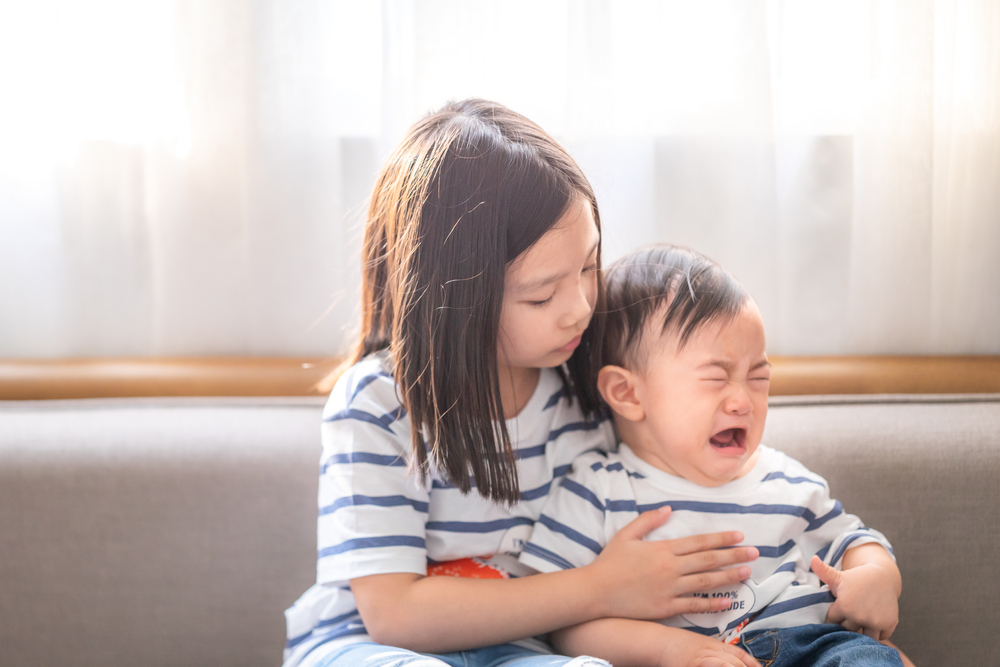
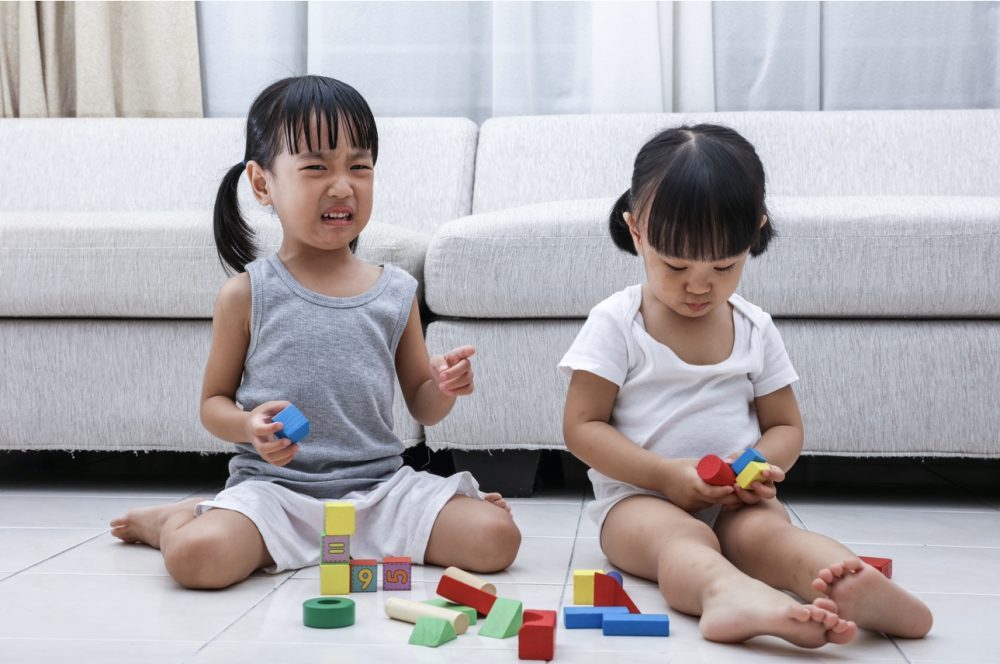
當家裡有兩名或以上的小朋友,會發生衝突或不和是很正常的。父母或會感到很困擾,究竟怎樣才可以令子女和平相處呢?現下是一些小貼士。


首先,父母要盡力營造溫馨和愉快的家庭氣氛,強調共享和分享觀念。其次,我們要按照小朋友的年紀規範他們行為,2歲或以下的小朋友不明白可以和不可以做甚麼,很多時候會做出觸怒哥哥的行為。這時候我們便要安撫年紀大的小朋友,令他明白弟妹做不到,是因為他們能力不足和不明白。當他們達到可以理解和守規矩的時候,爸媽便會要求他們跟哥哥姐姐一樣遵守規矩,令年長的孩子明白爸媽不是偏袒弟妹。


在傳統的觀念中,會認為年紀大的小朋友,應該體諒和禮讓年紀小的小朋友。但事實上我們應該按小朋友的年紀、對事情的接收和理解程度而決定,不一定要年紀大讓年紀小的。所謂的禮讓和體諒,應該理解為同理和明白他們的需要。


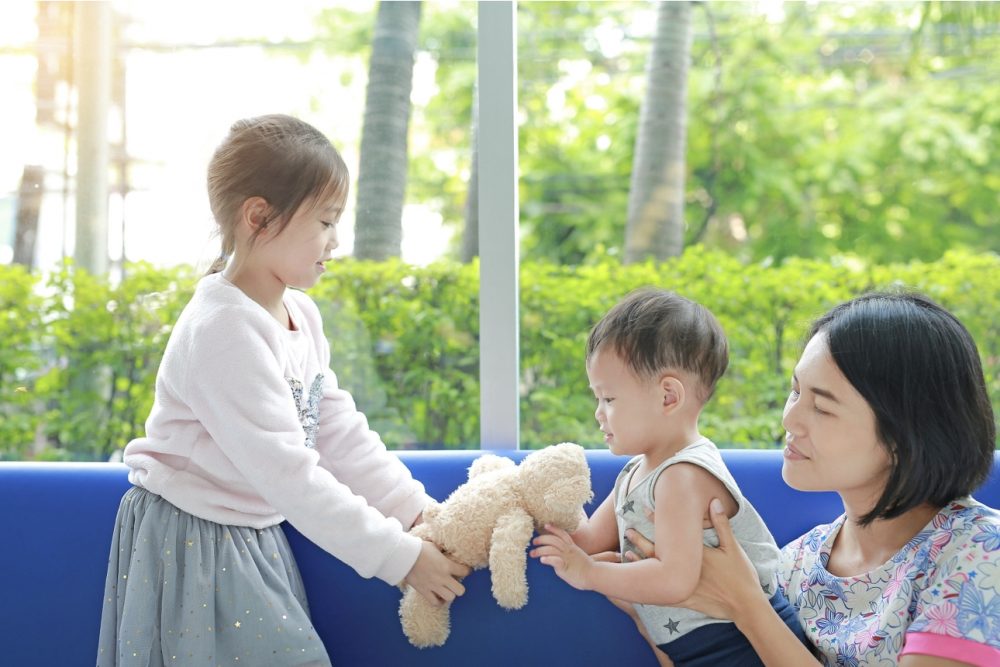
如果妹妹想玩姐姐的玩具時,媽媽可以跟姐姐說:「我知道這個玩具是你的,你很珍惜和喜歡它,所以你不想讓給妹妹玩。但妹妹沒有這個玩具,她年紀比你小,她看到你玩的時候很快樂,也很想試玩。」如果姐姐聽到後願意讓給妹妹,代表她理解和同理妹妹的需要。我們也可以跟妹妹說:「因為姐姐很愛你,所以願意把玩具讓給你。」讓她向姐姐表示感謝。

但小朋友不是每次都願意讓玩具的,當他不讓的時候,我們都要教導他們學習尊重。在彼此尊重的基礎下,大家一起討論和溝通,讓他自己決定誰讓誰。另外,我們也要建立分享的原則,姐姐可以和妹妹分享玩具,妹妹也有能力跟姐姐分享玩具,大家彼此分享一個公平原則,關係也會比較融洽。


當姐妹之間發生不和的時候,父母要保持中立及不要介入,但很多時候我們會很心急想解決問題,替他們處理。但重點應該是我們陪伴她解決她們的不和,我們要給予機會她們表達,讓她們知道我們明白她們的感受以及讓她們自己處理。


還有千萬不要過分強調公平,因為很多時候沒有絕對的公平。如果她們一起想媽媽抱,媽媽可以表達:「媽媽知道你們也很想媽媽抱,覺得這樣很舒服。但媽媽只有一個,不能同時抱著你們。不如我們想想有甚麼方法,讓你們兩個也可以讓媽媽抱。」


我們要給予小朋友知道有衝突不是問題,有衝突不代表不愛對方,最重要是學懂如何解決。他們解決問題的經驗,會成為他們成長後難忘的經驗,是不會破壞他們的關係。


Source: Family Dynamics, Individual, Marriage, and Family Therapist Kwong Wing Han

When there are two or more children in a household, conflicts and disagreements are normal. Parents may feel troubled, wondering how to make their children get along peacefully. Here are some tips.

Firstly, parents should try their best to create a warm and happy family atmosphere, emphasizing the concept of sharing. Secondly, we should regulate the behavior of children according to their age. Children under the age of 2 do not understand what they can and cannot do. Many times, they may behave in a way that upsets their older siblings. At this time, we need to comfort the older child and make him understand that his younger sibling cannot do it because of their limited abilities and lack of understanding. When they reach the age of understanding and obeying rules, parents will ask them to follow the rules just like their older siblings, so that the older child understands that the parents are not favoring their younger siblings.

In traditional thinking, older children should show consideration and make concessions to younger children. However, in fact, we should decide based on the child’s age and their ability to receive and understand things, not necessarily based on age. The so-called consideration and concession should be understood as empathy and understanding their needs.


If the younger sister wants to play with the older sister’s toy, mom can say to the older sister, “I know this toy is yours, and you treasure and love it, so you don’t want to let your sister play with it. But your sister doesn’t have this toy; she is younger than you, and she is happy to see you play with it and wants to try it too.” If the older sister agrees to let her sister play with it, it means she understands and empathizes with her sister’s needs. We can also say to the younger sister, “Because your sister loves you very much, she is willing to let you play with the toy,” and let her express gratitude to her sister.


However, children may not always be willing to share their toys. When they refuse to share, we should teach them to respect each other. On the basis of mutual respect, everyone can discuss and communicate together, and the child can decide who to share with. In addition, we should establish the principle of sharing. The older sister can share toys with the younger sister, and the younger sister also has the ability to share toys with the older sister. By sharing with each other according to a fair principle, the relationship between them will be more harmonious.

When sisters have conflicts, parents should remain neutral and not intervene. However, we often feel anxious and want to solve the problem for them. But the focus should be on accompanying them to solve their conflicts. We should give them the opportunity to express themselves, let them know that we understand their feelings, and allow them to handle the situation on their own.


Also, don’t overly emphasize on fairness because there is often no absolute fairness. If they both want to be hugged by mom, mom can say, “Mommy knows you both want to be hugged by mommy and feel comfortable this way. But mommy only has one pair of arms and can’t hold you both at the same time. Let’s think of ways to let both of you be hugged by mommy.”


We should let children know that having conflicts is not a problem, and having conflicts does not mean they don’t love each other. The most important thing is to learn how to solve problems. Their problem-solving experiences will be unforgettable lessons for them as they grow up, and will not damage their relationship.

資料來源:家庭動力心理輔導員賴舜薇

小朋友每次做功課,都訛稱自己肚痛、要上洗手間或想睡覺,千萬種謊言與藉口。重視品格培養的家長自然會感到嬲怒,因為他們對子女不誠實的行為都是零容忍的。但為甚麼孩子總是逃避做功課?為甚麼他們又要以謊言去掩飾呢?

小朋友逃避做功課,很多時不是他們不願意做,而是做不到。小朋友都會希望自己又乖巧又聰明,但當他們發現自己做不到功課,便會認為自己不夠聰明。他無法接受,便會以說謊來掩飾和逃避。一般而言,智力正常但有學習障礙的小朋友,他們的學業表現都會受到一定程度的影響,但在其他方面,他們一樣可以表現出色。而且不論他們智力水平高低,只要使用對的方法,加上適量訓練,他們亦能建立相應能力。

但人為甚麼會說謊呢?當一個人覺得自己處於不安的環境時,便會啟動防衛機制保護自己。而說謊便是其中一種以逃避方式來應對危機的表現。如果家長希望幫到子女,便要讓他勇於說真話,這樣家長才能理解子女真正不明白的地方。

如何令子女勇於說真說話?你要讓子女知道,即使他不夠聰明,你依然會這麼愛她,以他為喜樂,對他有耐性,並且會一起想辦法協助他解決困難,從而建立他的安全感,讓他安心透露內心的不明白與困難。但相反,若其經驗令他認為因他不夠聰明,會引來媽媽對他發脾氣及埋怨,他便不敢說真話,甚至啟動自我保護機制,用大人一看便能拆穿的謊言保護自己。

這時候孩子不但無法保護自己,更會惹來更大的麻煩,因為媽媽會更生氣,便會主動認錯,又會承諾不再說謊。惟事實上,他功課的困難並未解決,形成造成惡性循環。因此,我們鼓勵家長學習接納子女的不足,令子女對你有信心,覺得安全,自然對你敞開心扉。

Load More