Posts Tagged "Parenting"

Written by: Family Dynamics Psychological Counselor, Lai Shun Mei

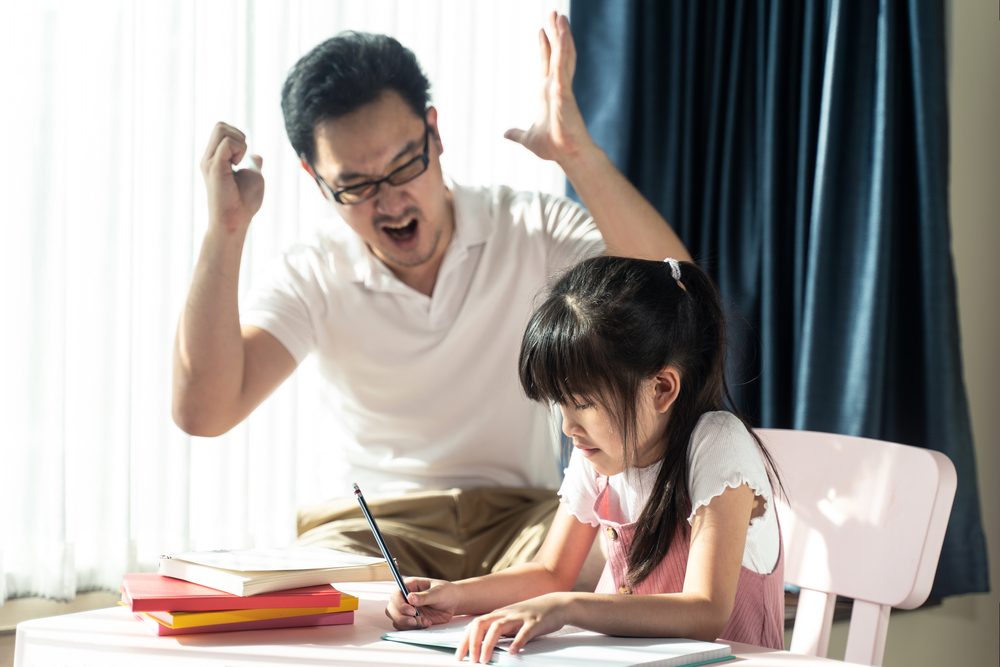
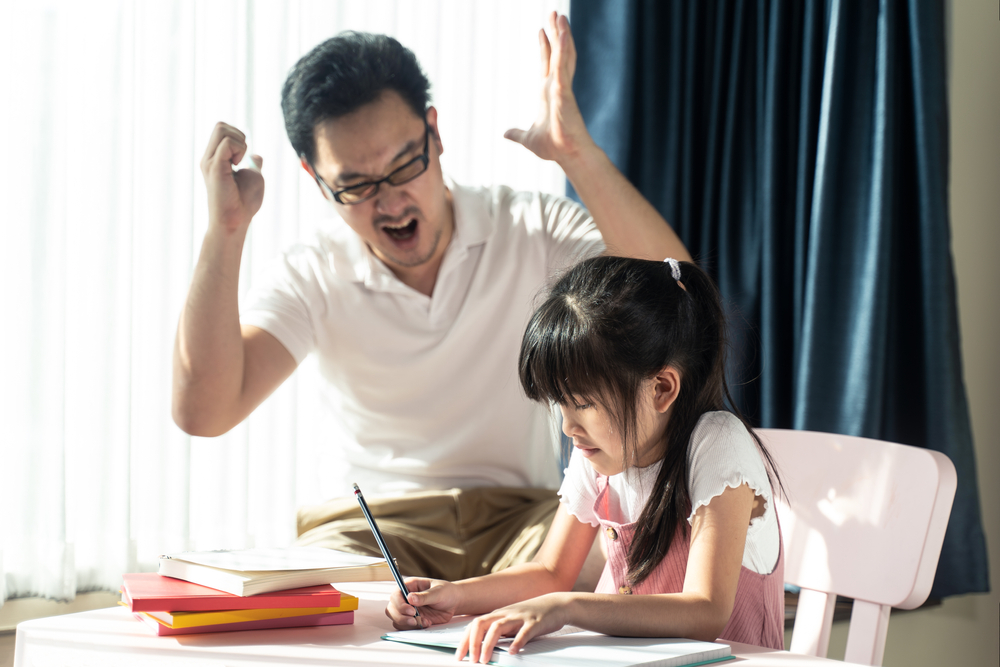
Every time a child does homework, he or she falsely claims to have a stomachache, to go to the bathroom, or to go to sleep. Thousands of lies and excuses. Parents who value character development are naturally outraged because they have zero tolerance for dishonesty in their children. But why do children always avoid doing their homework? Why do they have to lie to cover it up?

Often, children avoid doing homework not because they don’t want to, but because they can’t. Children want to be good and smart, but when they find out they can’t do their homework, they think they are not smart enough. They can’t accept this and will lie to cover it up and avoid it. Generally speaking, children with normal intelligence but learning disabilities will have their academic performance affected to some degree, but they can excel in other areas as well. And regardless of their intelligence level, as long as they use the right approach, coupled with the right amount of training, they can also build the corresponding ability.

But why do people lie? When a person feels that he or she is in an uncomfortable situation, he or she will activate the defense mechanism to protect himself or herself. Lying is one of the ways to cope with a crisis by avoiding it. If parents want to help their children, they should allow them to tell the truth so that they can understand what their children really don’t understand.

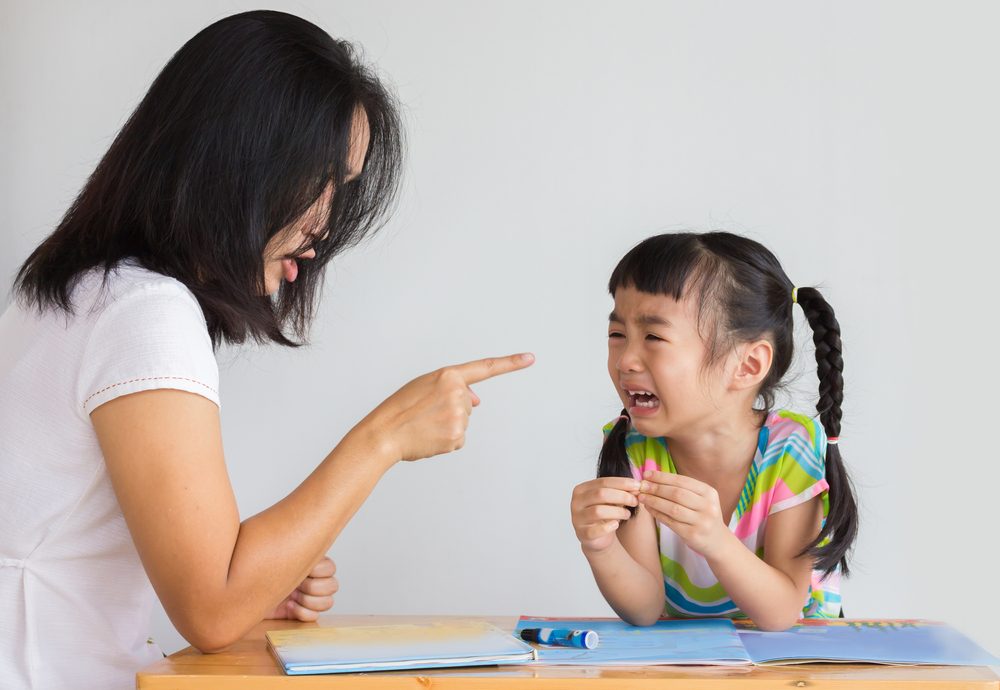
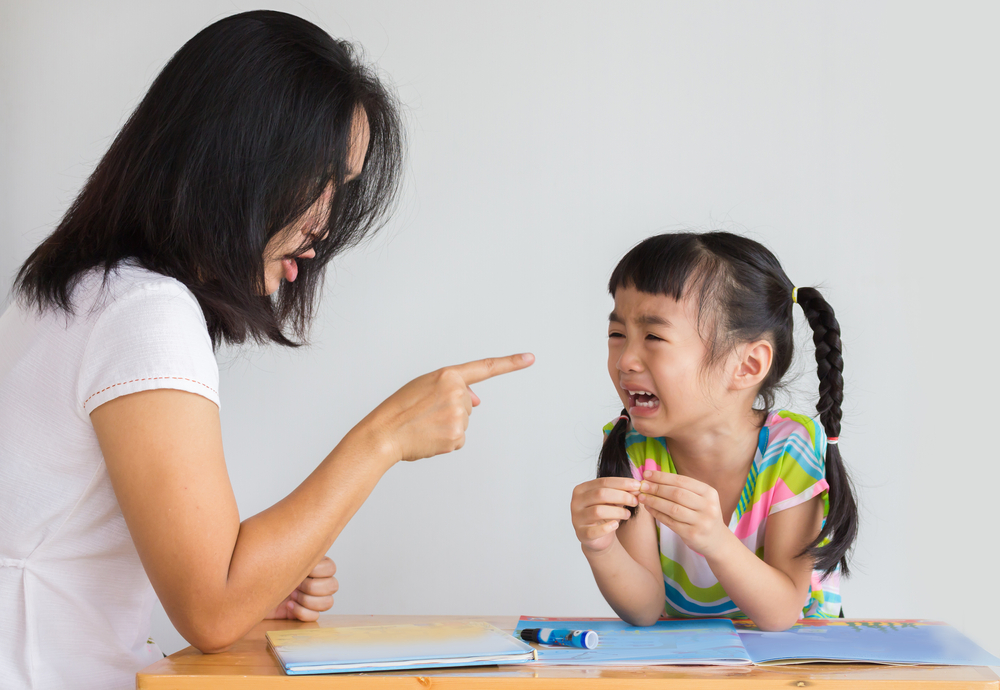
How do you instill in children the courage to speak the truth? You have to let your child know that even if he is not smart enough, you will still love him so much, take him as your joy, be patient with him, and find ways to help him solve his problems together, thus building up his sense of security and making him feel at ease to reveal his inner uncertainties and difficulties. On the contrary, if his experience makes him think that he is not smart enough, which will lead to his mother’s anger and complaints, he will not dare to tell the truth and even activate his self-protection mechanism to protect himself with lies that adults can uncover at first glance.
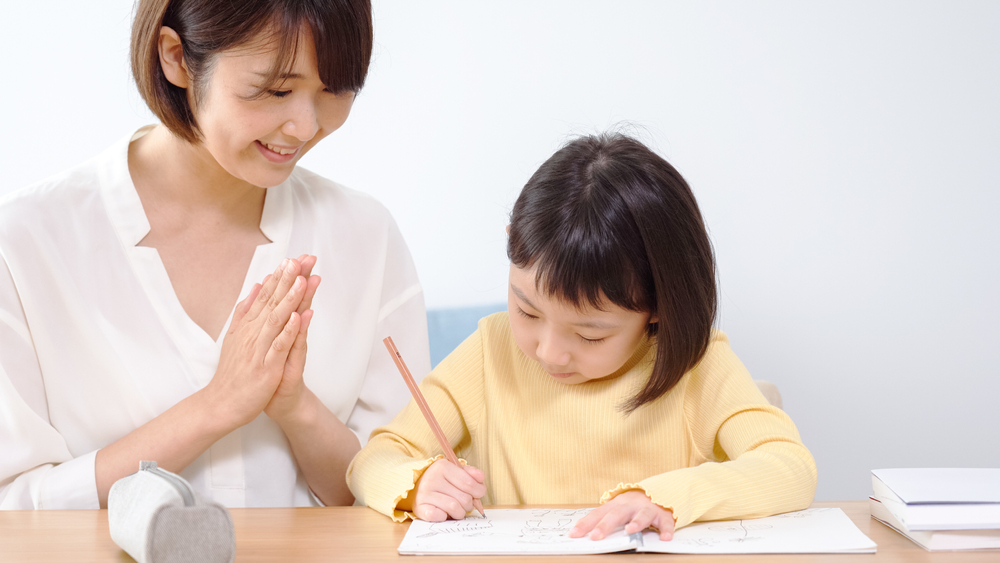
At this point, the child will not only fail to protect himself but will also get into more trouble because the mother will be rehabilitated and will take the initiative to admit her mistake and promise not to lie again. But in fact, his homework difficulties are not resolved, creating a vicious cycle. Therefore, we encourage parents to learn to accept their children’s shortcomings so that they will have confidence in you and feel safe to open up to you.


Source : Psychiatrist, Dr. Hui Long Kit

Perfectionistic children may have autism spectrum disorder or obsessive-compulsive disorder. In fact, perfectionism often stems from a child’s own high demands on themselves to do everything perfectly. When they cannot achieve perfection, they often blame themselves. For some children, when they score 99 out of 100 on an exam, they may cry endlessly at home because they are so worried about the one point they missed.

However, sometimes perfectionistic thinking does not come from the child, but rather from the parents. For example, if a child scores 99 out of 100, have you as a parent ever asked them, “Why didn’t you get 100 points?” If you say this, you are actually adding some perfectionistic elements to the child’s thinking. Children’s psychology is easily influenced by adults. If adults demand perfection in everything, children often internalize this pressure and turn it into self-demands. As a result, they may feel anxious when they cannot do what they want to do.

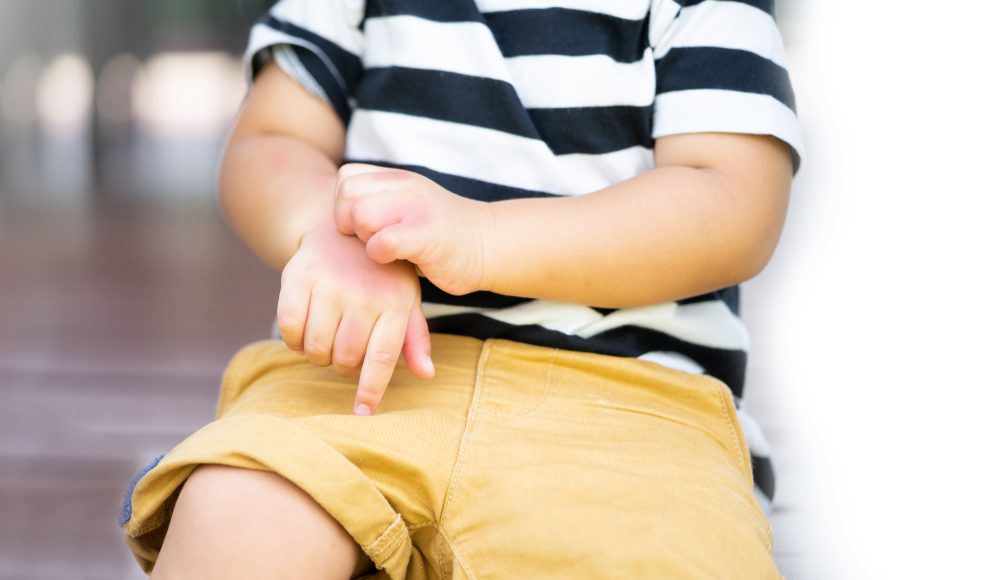
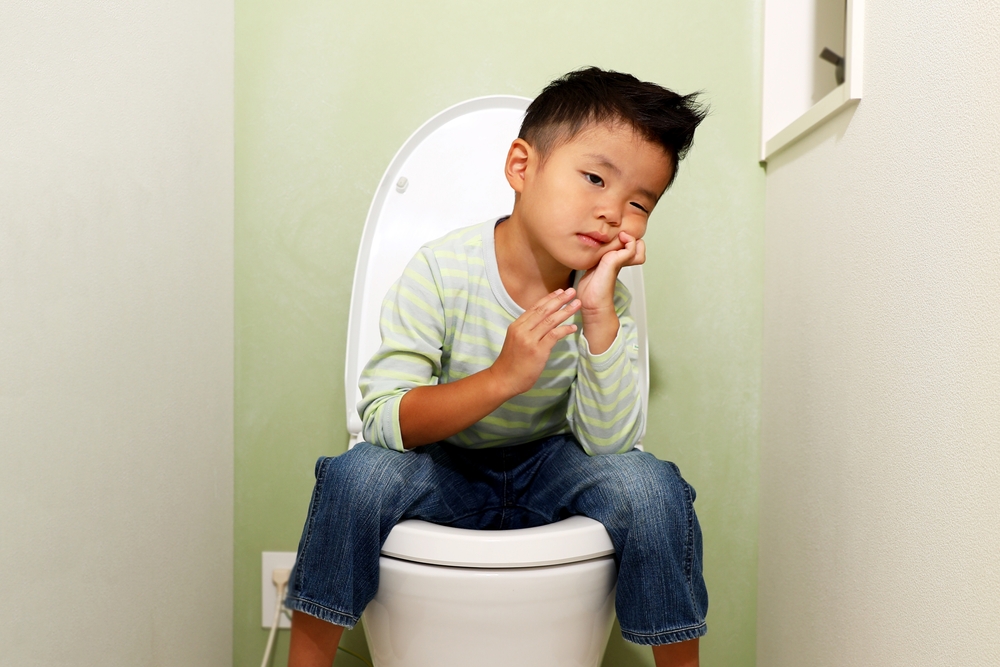
What are the consequences of anxiety? Anxiety can lead to chronic insomnia, extreme nervousness, frequent visits to the restroom, skin picking, rapid heartbeat, sweaty palms, trembling hands, and even a fear of going to school. Children may think, “What should I do? I missed one point. I threw away the notice. The teacher will scold me tomorrow. I don’t want to go to school.” These are common situations for perfectionistic children, not just those with anxiety disorders. Many children may also develop depression.

Because they are unable to meet the demands of parents or teachers for a long time, they often cry, feel unhappy, and may even have suicidal thoughts. So how should parents deal with children who have perfectionism?

First, you need to be aware of the problem. Don’t assume that a child who is diligent and looks like a good student has no problems. The more obedient the student, the more careful you need to be to see if their demands on themselves are too high.

Second, parents should be aware of themselves. Are you perfect? Did you do everything perfectly when you were young? Do you do everything well every day? Do you do everything perfectly at work? Has your boss ever criticized you for not doing a good job? If you can’t even achieve perfection yourself, why do you expect your child to do so?

Third, you should pay attention to whether a child with perfectionism has symptoms of anxiety and depression. If, as stated above ,the child has trouble sleeping, shakes, has a fast heartbeat, sweats, picks at their skin, goes to the bathroom frequently, or has negative thoughts or even suicidal ideas, then you must take them to see a doctor. If anxiety and depression worsen, the consequences can be very serious.

Source: Registered Dietitian (Public Health) (UK), Ng Pui-Yu

Many kids have dry skin or even eczema, and their parents work hard to find the right moisturizers and other skin care products for them. In fact, in addition to topical skincare products, we should also pay attention to children’s diets. The most direct way, of course, is to drink more water. How much water should be drunk?

In fact, our body’s need for water is deeply influenced by the weather. For example, in dry weather, we need more water, as well as to account for children’s activity levels and how much they sweat. The water content in food also affects their need for water. If a child urinates every 3 to 4 hours and the urine is light yellow with no strong odor and the stool is not very hard and does not cause difficulty during bowel movements, it usually means that their water intake is sufficient.

For children aged 2 to 5, they need about 4 to 5 cups of fluid a day, and water should be the main source. Unsaturated fatty acids, like omega-3, are also important for maintaining the integrity of cell membranes, which keep harmful substances out and keep the skin moist and flexible. Omega-3 fatty acids can also help calm immune responses that are too strong in people with skin allergies or eczema.

We should also avoid certain foods, such as candies, cookies, and white bread, which are refined foods. Instead, we should choose low-glycemic index foods, such as brown rice and whole wheat bread, which are important for controlling sensitive conditions. Antioxidants, including common vitamins A, C, and E, are also important and can be found in fruits, vegetables, and nuts of different colors, making them great sources of antioxidants.

In summary, to have healthy skin, in addition to having enough water, you should eat high-fat fish such as salmon or yellow croaker twice a week. You can also replace some cookies and candy with plain nuts, fruits, and so on, and it is ideal to eat a variety of vegetables and fruits.

By the way, if a child’s chewing ability is not well developed, there is a chance of choking when eating nuts. Therefore, we should choose some smaller nuts, such as pine nuts, which are also a good option.

Source: Speech therapist, Miss Carley

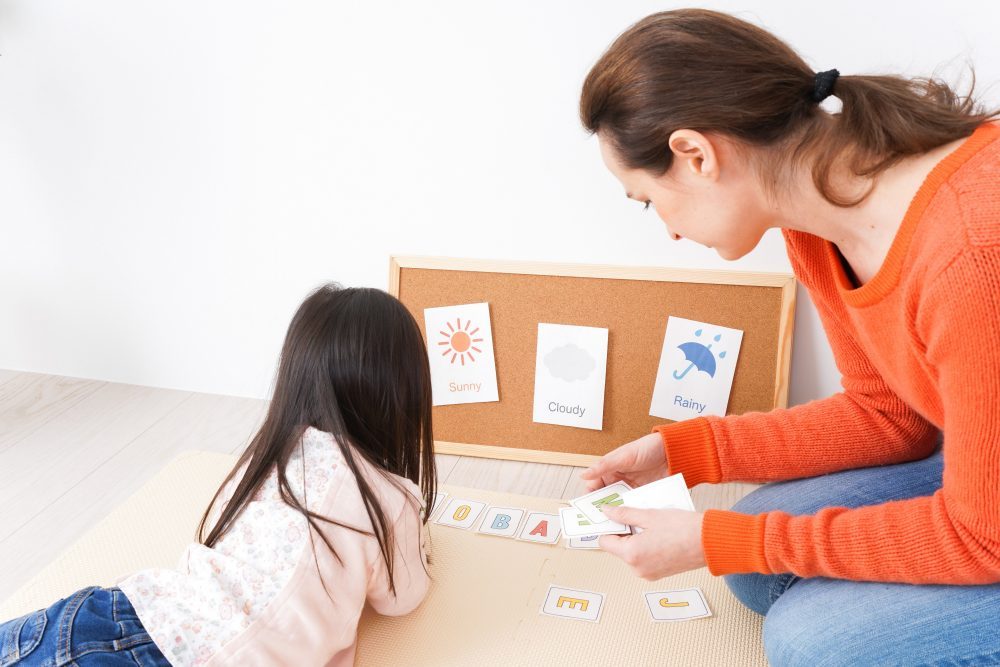
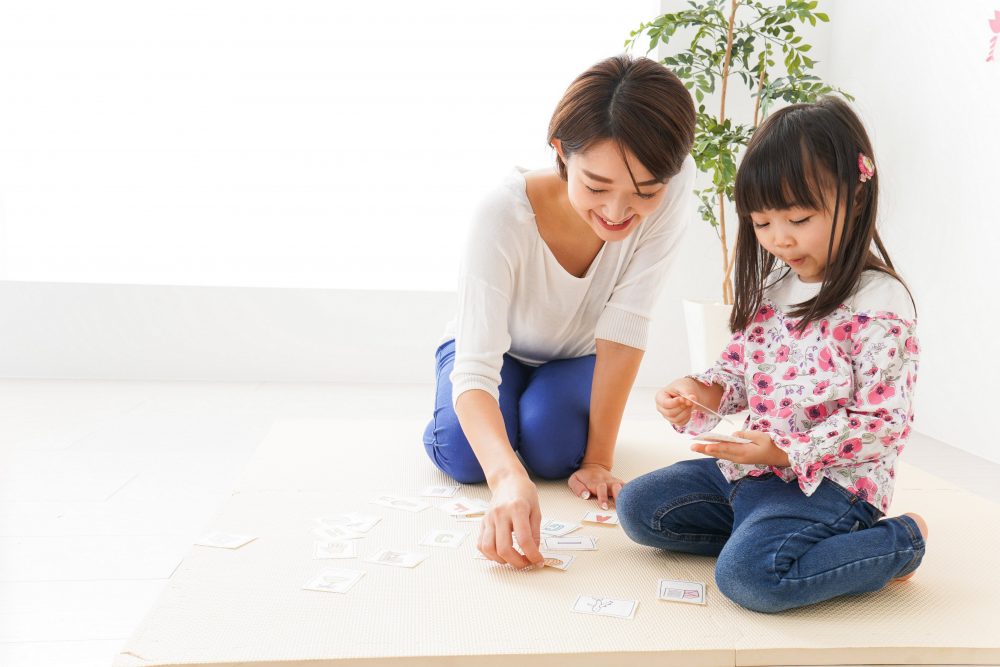
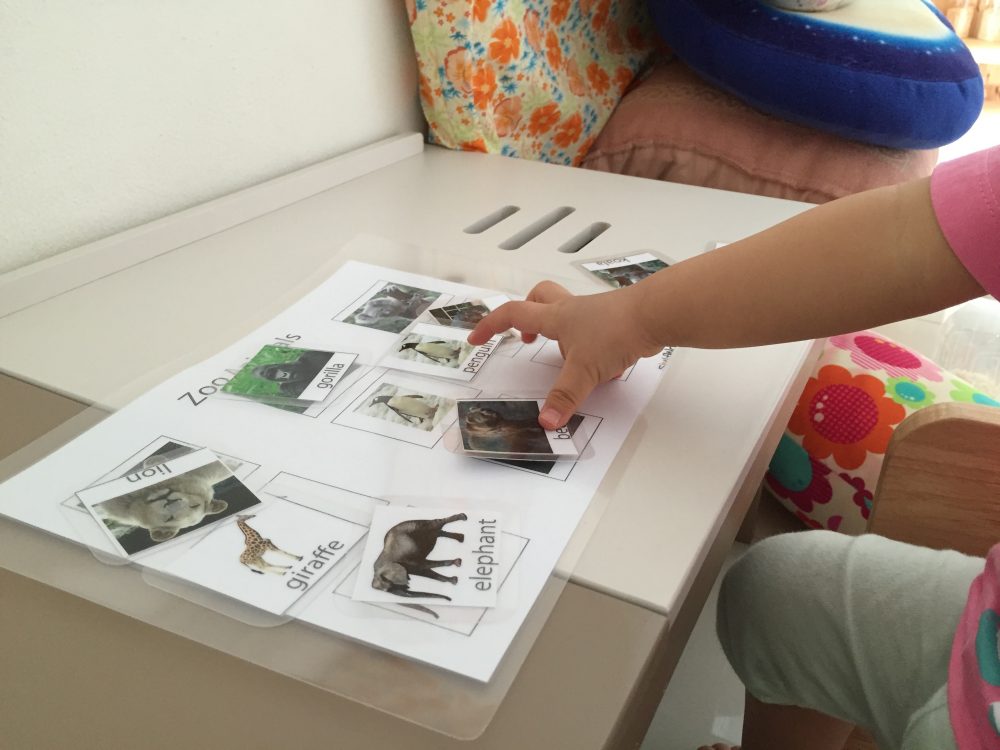
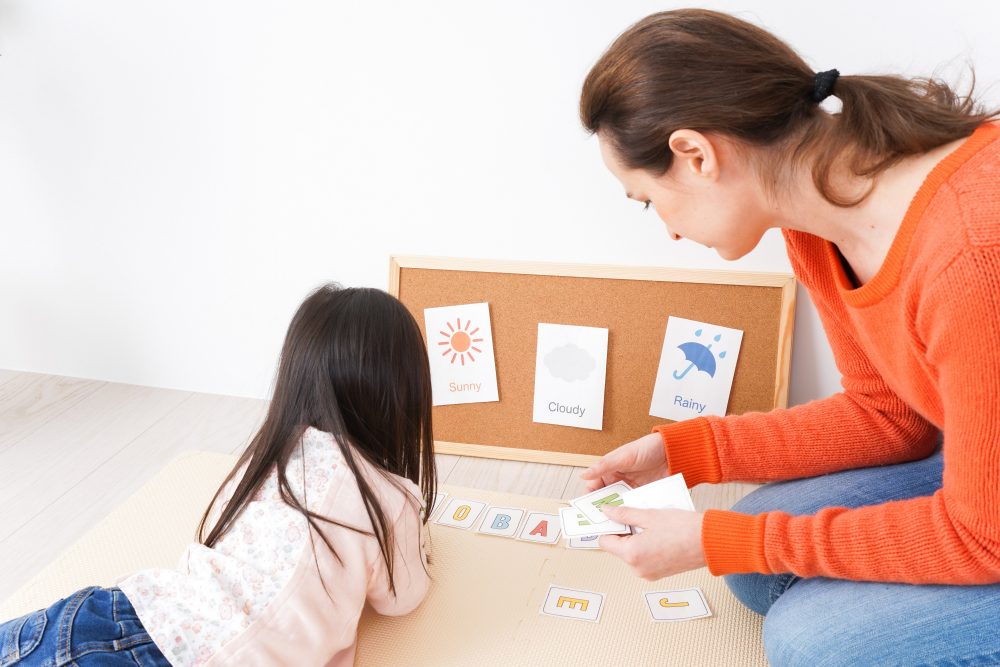
Often, we want children to learn English vocabulary, which may be difficult and boring for them. In fact, parents can try to create some simple games for children to learn these English words through the process of playing.

The first game is called “Covering the Card.” It is similar to the card game we usually play. Parents can write some words that children need to learn on white paper and draw more sheets with laughing faces. How do I play it? To begin, we must mix the cards and distribute them evenly to each player; for example, each parent and child will receive four cards. Then, take turns playing the top card. For example, if this card is drawn, read out the word, explain its meaning, and use the word in a sentence. But if a laughing face is drawn, the player needs to quickly slap the card. If the player is slower, they must take all the cards and keep them in their hands. The player with no cards in their hand wins.

The second game is called “passing three levels.” It is actually similar to the game we usually play, but this time we have pre-written some vocabulary words in the nine squares. Then, we take turns with the child to draw some crosses or circles. For example, if I draw a cross here, I need to read, explain, and make a sentence with the vocabulary word in this square. Then it’s the parent’s turn; they might use a circle, just like in “passing three levels.” The first person to connect three cards in a straight-line win.

The third game is a memory matching game. Parents can write some Chinese characters that children need to learn on white paper and write each character twice. Parents can randomly place pairs of word cards on the table. Then parents can ask the children to take a look and remember them, and then flip the cards over. Parents and children take turns flipping over two cards. If they match, the child is asked to use the word to make a sentence, explain its meaning, and read it out loud.

Source: Senior Nutritionist, Ng Yiu Fun

Many children and their parents go outdoors in the summer and feel very hot afterwards, so they want to go into the shopping mall to enjoy the air conditioning. At this time, if someone sneezes, children are easily susceptible to catching a cold or flu. How should parents deal with this problem? The first part is how to take care of them, and the other part is the diet to strengthen their immunity.

First of all, we should not enter the shopping mall immediately when it is too hot. When you are sweating a lot, you need to wipe off the sweat. In fact, sweat carries away the heat from our bodies, so the process of wiping off sweat makes it easier for the sweat to evaporate and carries away some of the heat from our bodies. It would be better for us to enter the shopping mall when our bodies are a little cooler.

Also, always be prepared with a jacket. Adults are the same; they need to have a shawl, which can be relatively better. On the other hand, if a child’s clothes are soaked, we should prepare an extra set of clothes to replace them, so that the clothes won’t stick to their back and cause them to catch a cold. In fact, the current towels are very long and can be placed on the back. After wiping the sweat with a towel, the clothes can remain dry.

In terms of diet, we can pay attention to whether children have a balanced diet. However, we must remember that children are picky eaters because they are still young, want to be independent, and have many opinions. But when we insist on letting them continue to try every food, even if they don’t eat it today, they can try it again another day. They may try it and get used to it after eating it many times, and then they will not be picky eaters. Perhaps the first time they try it, they may feel like vomiting just after putting it in their mouth, but it doesn’t matter because they have already tried the taste. But we can all be indomitable and keep trying.

In addition to having children eat their meals, I always recommend adding some millet to the rice when cooking because millet contains many different vitamins and minerals that can enhance the immune system, especially the rich vitamin B complex as well as calcium and iron. Also, remember to eat all kinds of vegetables and fruits; don’t just focus on studying and forget to eat fruits. Vitamin C can also help us increase our immunity.

Of course, there is meat, but the portion size does not need to be excessive. Too much can increase the burden on the liver and kidneys. So how much is enough? For example, for a 2 to 3-year-old child, about one and a half portions the size of a Mahjong are enough, and there is no need to eat a piece of pork chop that is so large. Drinking one to two glasses of milk a day is also a good “superfood” because milk itself contains multiple nutrients, which we call a comprehensive food.

Having such things can help children build a foundation, and we don’t need to take supplements. because it’s difficult to know if supplements are taken in excess, especially now that many people are taking fish oil capsules. In fact, the amount of fish oil capsules may be too much, and it may cause the blood to become thinner.

Another issue is the source of fish, which may be at risk of pollution if we don’t know where it comes from. It’s better to eat fresh fish, and red snapper is rich in Omega-3 fatty acids.

Finally, you can cook some soup, which my own children drink and which helps to improve their immunity. They don’t often bring home sickness after school, nor do they often miss school. It’s called “soup with walnuts, cashews, and chestnuts.” I buy two ounces of walnuts, two ounces of cashews, and half a pound of chestnuts, and I add some corn and carrots. You can also choose whether or not to include lean meat. Because it already has a sweet taste, the whole family can drink it, even babies over one year old, to strengthen their immunity and prevent illness.

Source:Family Dynamic, Psychotherapist, Lai Shun Mei

Sometimes, children may cry when they are slightly dissatisfied, and parents may have tried different methods to comfort their children, but the children still cry from time to time. This may make parents feel tired, helpless, and even annoyed. In fact, children’s crying is usually a way of expressing their emotions. Because their language is not yet developed enough to convey a complete story, their own feelings, and some thoughts, they will use the most direct or fastest way to seek help when they are unhappy, which is to cry, just like when they were infants.

Let’s not assume that just because children can walk, talk, and go to school, we need to talk to them more about reasoning. In fact, in the preschool years, parents should provide more emotional support to their children. Maslow, a well-known psychologist, came up with the five-level theory of human needs. The levels are physiological, safety, social, esteem, and self-actualization. As children’s cognitive development matures, they have already reached the third level of social needs, which is love and a sense of belonging.

At this time, they need to feel the care and love from people around them, and they begin to recognize their own emotions. Therefore, if parents can help them express their emotions and thoughts, not only will their language skills improve, but their social needs will also be met.

When we see a child crying, we as parents can say something like this to them: “You seem very unhappy; maybe you don’t like it when mommy talks to you in a harsh tone.” “Your little brother took your toy without asking, which made you angry.” If you can speak accurately to the child’s feelings, they will quickly nod and stop crying. Over time, they will learn to use other means to express themselves instead of crying.

Some parents may wonder why their usually talkative kids can’t say what they’re feeling when they’re sad. This is because emotions can affect rational thinking. If I asked you to give a speech on stage right now, how would you feel? You may feel nervous or even a little scared, and if I don’t give you time to prepare, you may not be able to say a word. You can see that emotions can affect adults, let alone children.

So, as parents, we should first calm down and then carefully watch and try to figure out why our kids are crying. Then, put yourself in their shoes and express your thoughts and emotions. This way, the child will not cry anymore.

Source:  Family Dynamic Psychotherapist, Yuen Wai Man

Parents’ upbringing backgrounds, education levels, or family of origin may differ in parent-child interaction, so it is quite normal for parents to have differing opinions on something.

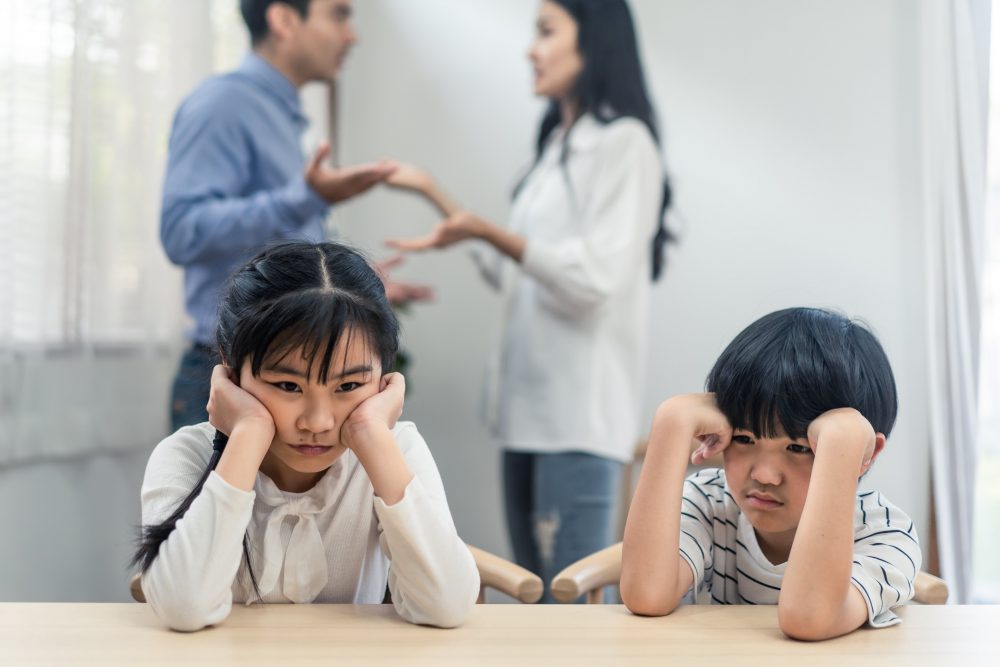
When there are indeed different opinions, parents should find a calm environment to discuss their own perspectives and views on the problem. In any situation, we don’t want parents to argue directly in front of their children. For example, Dad can explain to Mom, “When I’m unhappy or under work pressure, I use my phone to vent and reduce stress, so I don’t think it’s a problem for kids to play with phones.”

And the wife can also express this to her husband: “Actually, I hope you can support me and understand that taking care of children is also very difficult for me.” Everyone can discuss calmly and equally in a peaceful environment. In fact, in the parenting environment, parents’ steps must be consistent.

Parents, for example, are like dancing partners in parenthood. When the father steps forward, the mother should step back. When the father raises his arms, the mother should spin around. This is a natural rhythm. If they can work together effectively, not only the dancing couple but also the onlookers can enjoy the dance. But if everyone insists on their own stance without compromise, the dance will be a mess.

In the family environment, children are often the most faithful and loyal audience, always standing in the center of the hall watching how their parents dance. So if the parents dance poorly, the audience will also be restless, the atmosphere will become tense, and more problems will arise. On the dance floor, parents will also trample on each other, causing more pain.

If there is a situation where the parents cannot see eye to eye and are in a heated argument, we would suggest that one of them leaves the scene. It’s not a matter of winning or losing or saving face, but rather allowing everyone to catch their breath and take a break. In a family environment, it’s not a competition between parents because the real victim will always be the child. So when parents are in a heated argument and cannot compromise, one of them should step back, cool down, and leave the scene. This would be better for everyone involved.

Source: Unleashing Mind, Psychotherapist, Dr. Lee Wai Tong

Next semester, K3 children will start to prepare for elementary school. Apart from getting to know the new school, preparing stationery, and learning to wear school uniforms, what else can parents do to help their children transition smoothly and make a good transition to elementary school? It is often the case that children will feel anxious when they encounter many unknown things. To deal with the anxiety of children, it is best to prepare for the situation in advance.

What’s for preparation? Open the schedule before school and remind the children, “Look, there will be a recess after these two classes, and then another recess after these two classes.” They will know in their minds when there will be a short break, then lunchtime, and then the school will be over after a while.

In terms of teachers, they don’t know who the teacher is, so we can say, “This teacher should be a male teacher, and this one is a female teacher.” This is the advance preparation so that the children know more about the things that have not happened and are better prepared. In particular, many elementary schools will hold orientation activities. Parents should not think that they don’t need to participate now because they are busy and their children will only return to school in September. If you can participate, you should do so, as it actually helps children know more and be well prepared for the unknown.

With all the preparations we have just made, what are the other minor things that we need to pay attention to? We say that children are anxious when they enter first grade because they are unprepared for something that has not happened yet, and then they feel worried. When they have a good grasp of what they need to do in each class, their anxiety will be much less.

Some issues are beyond the control of the parents, namely, his classmates. Children face some situations, such as when classmates next to them make a lot of acts like going to the child’s place to take a look at his things suddenly. These are not good times for children, but there is no way to prevent them, so they need to be nurtured, especially if they have just entered the first grade. Talk to them more after school and ask them if they have encountered any unpleasant things so that they can express themselves. They will find that even if they are worried, they can talk to their parents after school, and they will be comforted by their parents, and their anxiety will be reduced a bit. Then, the next day, when the unhappiness is over, they will be happy to go back to school again.

Every parent wants to ask their children more when they come home from school and know more about the school picture. Parents should learn more questioning skills so that children can say more and the picture is more complete. Some children are more extroverted and talk more, so it is easier for parents to understand; some children are more introverted. A major characteristic of an introverted child is that he or she has not yet grasped the situation internally and therefore does not know how to express it.

When dealing with introverted children, you can make it simple by drawing a poster with many different emotions and asking them what they are feeling today. When they see the pictures, they will think about them, and sometimes they will point to “angry,” sometimes to “sad,” and sometimes to “happy.” This way, they can be asked what they are happy, angry, or sad about. They will then have room to express these emotional things.

Source: Senior Parenting Education Expert, Bally

After school every day, asking children to sit down and do homework is like sending them to war. Usually, there are several reasons why children do not like or do not want to do their homework. How can parents help their children?

First, they really do not know how to do it. How can we tell if they really don’t know how to do it? I have found that many children go home and find that 80% of the homework requires parent guidance, so they can’t handle it on their own and naturally wait for their parents to come home. From the parents’ perspective, they will feel that their children do not want to do homework.

Second, the child actually understands how to do the homework 80% of the time, but they actually want their parents to accompany them, so they will fight for time with their parents. Once the parents are together, they pretend not to understand. In fact, they are not trying not to understand but are unconsciously hoping for their parents to accompany them and do homework together.

Third, they may be too tired. The parents may not have given the children a proper schedule, causing them to do homework in an unfavorable state, which is why they don’t want to do it.

If the child does not understand how to do the homework at first, the parents should communicate effectively with the school. If the school is willing to adjust the level of homework to suit the child, the parents won’t have to worry about the level difference. If the child doesn’t like doing homework, over time they will dislike going to school and eventually lose motivation to learn. Therefore, we must communicate with the school to see if they can give him some easier homework so that the child can enjoy the process of doing homework.

If the school is unable to cooperate, then the parents need to think about how to guide from the sidelines. Let the child gradually take some courses that start from easy to difficult on weekends, or give some words that the child can recognize, or through some games, let the child understand and slowly enjoy doing homework.

In fact, the biggest concern in the education sector is that students have already resisted learning, resisting going to school, and resisting doing homework. So we must seriously face the reasons why children are unwilling to do homework. Some children love to stick with their parents, but what do most parents do with their children when they get home now in our society? It’s doing homework; this is their only parent-child time. If the only parent-child time is not good or pleasant, it will cause many problems in the family or marriage.

If the child does not want to do homework and just wants to wait for the parents, the parents can play with and accompany the child while doing homework. You can read a book or do something similar to homework near the child, such as bringing work home to do, to make the child feel like you are accompanying them and both of you are doing something.

A worrying situation is when many parents say, “Okay, you do it; I’ll be here,” but in reality, they are watching TV, using their phone, or playing games. This makes the child feel that you are not really accompanying them and that you are not doing the same thing. Even if the child knows how to do most of it, it is preferable for the parent to spend some time watching him or her do it rather than doing something else. Continuously complimenting him/her while watching: “Good job; you can really do it!” gives more praise, which is the best approach.

If the child reaches the end of the K3 school term, they have already grown up and are quite independent. Parents may believe, “They are so big now, I shouldn’t go with them to do their homework anymore.” But in reality, parents should have a schedule in place for their children to follow from a young age. For example, when the child comes home from school, they need to take a break, have a snack, and play for a while. After maybe half an hour or 45 minutes, it’s time for homework.

In K1 and K2, parents can accompany their child while they do homework. But when they reach K3, parents can use a reward system. For example, “If I come home from work today and see that you have finished your homework, I will give you a sticker.” “If you are well-behaved and take a bath after finishing your homework, I will give you another sticker.” Give the child a schedule to follow and reward them with stars or hearts for each sticker they earn. On the child’s schedule, if they accumulate enough stars in a week, the mother should make some promises, such as going to the park. The rewards are best for parent-child activities, not toys, gifts, or candy.

Source: Speech Therapist, Mok Yee Tuen

Typically, babies start making sounds as soon as they are born, such as different crying sounds to express their demands. From 4 to 8 months, they start babbling, which is part of the language preparation period. Children actually go through a ladder of language development, starting with just learning single words and ending with being able to tell stories with their words.

Babies from 9 months to 1 year generally start producing their first meaningful word, such as “ba,” “ma,” or “ball ball.” From 1 to 2 years old, their understanding and vocabulary expression increase greatly, with the accumulation of single words forming two-word phrases, such as “mommy drink” and “eat bun bun.”

From 2 to 3 years old, children generally speak in longer sentences and can express different needs. For example, they like to add a word to the two-word phrases, forming three-word combinations, such as “Daddy eat bun” and “I want grandma.” Some children start using adjectives, such as “sister eats a big apple.”

Young children generally recognize more different sentences and start using conjunctions after 3 and a half years old, and by 5 years old, they slowly understand how to combine different sentences and use more conjunctions and start to narrate things logically, that is, by telling stories.

In fact, the language development of young children is slightly different for each person, but through empirical research, we also have some important reference indicators to see if a child may have a speech delay.

  • The first is that there are no words at 2 years old.
  • Second, no sentences appear before the age of three.
  • The third is that speech is unclear and hard to understand after 3 years old,
  • Fourth, sentences are still unclear after 5 years old.

If the child is not speaking more and more as they grow, parents should seek the help of a professional to assess and train them as soon as possible.

Source:Taiwan Professional organizing advisor, Yu Zhi Lin

One of the parents’ nightmares is working hard to pack up the toys every night, but the next morning they were scattered all over the floor again. Pack up your stuff. How can parents teach their children to pack up their toys?

We decide how big the storage box should be based on the child’s age, which is about 1 to 2 years old. To prevent children from putting toys in their mouths, toys at this time are usually larger, so we need a slightly larger storage box. When children are younger, our standards can be very low, mainly to let them know that they need to clean up after playing with toys, pack them up in the storage box, and put all the toys in it. At this age, we need to train them to be tidy.

By the time children are a little older, about 3 to 5 years old, they can already have a preliminary classification. Know that there are different types of toys. At that time, the storage box does not have to be so big, we can change a smaller storage box, according to the different types of toys a little classification. We adjust the rules of the game a little higher; you can paste some classification labels outside the box, with patterns, colors, or word cards, so that children can easily identify. For example, a car, with a car pattern or a word card “Car”, so that children can slowly learn to remember this classification.

When children go to elementary school, they will have their own ideas and know what to put away where, so our storage box can become smaller. Then we can store many small things for children, such as little girls’ ornaments, small beads, and accessories for Barbie dolls. We can also use such a small box to sort, because after such a long time of training, children will find it very natural to clean up, and parents will also feel very relaxed.

Source: Parenting Specialist, Ken Sir,

Some mothers often ask me, “How should I show my love for my children?” Will it be spoiled by expressing too much? I think that Chinese people are more introverted and are often afraid to express their love. Especially when you want to express your concern for him but end up with a different attitude.

I once saw a mother and her little child lost in Shatin and then reunited. How did the mother behave after the reunion? She grabbed him by the hand and hit him while saying, “I just couldn’t see you; do you know how scared I was?” I am very worried about you. What can I do if I can’t see you?

In fact, everyone knows that his mother loves him, but the child cannot feel it. I often share an example of how to express love in my lectures. When I was a child, my father ordered a drink, and since he didn’t have much money at the time, he asked the waiter for an extra cup after ordering a hot drink. He kept pouring the drinks around in front of me, trying to get the drinks cold as soon as possible so that the kids wouldn’t burn their mouths when they drank them and they could drink them faster, but I found that if the kids asked their parents or I asked many of the student’s parents, they would all answer, “This will get cold faster.”

When responding to children, parents should express their deepest feelings, such as “Because I love you, how would I do this thing if I didn’t love you?” Do I do it for the one next to me? In fact, there are many things we can do in life to express love, but there is one thing we must remember if we are to avoid causing spoiled, you must remember the following two points.

The first point is that if a child can do something, he should be allowed to do it; you should not fight to make him do it. The second point is that when a child makes a mistake, we should correct him. In the process of correction, we should be gentle and firm, and serious when we need to becv serious. However, remind the child that he or she should be told the solution, not just no or wrong. If so, the child will not improve.

Source: Senior Parenting Expert, Bally

Many parents often ask, “Why is the child so disobedient?” “Why does he hate me so much?” or “He is ignoring me more and more.” In fact, there are four types of behaviors that, over time, will cause our children to despise themselves. Many of the parents that I have met in my day-to-day life often unconsciously say or do things that make their children hate themselves. This is what parents do not notice.

First, comparison. We frequently ask children, “Why are you like this?” “Your younger brother is not like you; he is very neat,” and “look at the students next to me; they listen to their parents. “When we often express ourselves in a “comparison” manner, children will feel disgusted when they hear their mother’s voice.

Secondly, when children do something wrong, parents often overlook the motives behind their behavior. When we find out that a child is doing something wrong, we should first understand what the child is trying to accomplish with the behavior. Do not rule out that they are trying to do something right. Maybe he wants to pour a glass of water for his parents or his brother, or he is not doing his homework well, but in fact, he is doing his best and is just mentally tired.

When he is not doing well, we can first praise his behavior by saying, “Thanks; I know you are nice and want to pour water for us, but don’t spill water again.” “It’s dangerous,” or “Don’t walk so fast.” After we praise the child, he will understand that he is doing the right thing, and then he will listen to his parent’s advice and improve.

Third, parents should pay attention to the end of the day if, in fact, they are full of negative energy and bring emotions into the home. When parents see that their children are not behaving in a satisfactory manner, they may take out their emotions on them in a series of ways. This is not fair to the child, who may have made only a few mistakes but is being blamed for a series of them.

Fourth, parents should be very careful that expressions of anger will misinform their children with inaccurate information. For example, “If you do this, you might not be my son.” When we mistakenly use such an aggressive word, it can be very harmful to the child.

Parents should never commit these four behaviors while children are growing up, or they will hate their parents from an early age.

Source: Senior Parenting Expert, Bally 

How can we know if we are competent parents? We can find out how the children get along with their parents and how they behave by observing them, and here are five things we can observe.

First, trust the parents. If a child trusts their parents, we can see it in their eyes and in their responses when they communicate with their parent. When a parent talks to a child, the child looks intently at the parent, understands what the parent is saying, and responds clearly with “Yes! I understand,” and then follows instructions. This means that parents usually have good communication with their children.

Parents often tell their children why they should do something, whether it is a good thing to do, or what they think of it. For example, “I think you did a good job when a child fell down and you walked over to pick him up right away.” When parents tell their children how they feel and praise them for doing the right thing, they will be more willing to listen to their parents’ feelings and reactions, and they will gradually build trust.

Second, be brave enough to tell your parents. If children are willing to tell their parents when they encounter certain situations, it proves that their parents give them a lot of space. They are not afraid of being scolded by their parents, and they believe that their parents will give them the right direction, teach them what to do, and accept their wrongdoing. Therefore, children will slowly do what their parents think is right under the safety net. Communication between parents and children is very important, and we need to give them confidence in order to build a harmonious relationship. No matter what happens to them, it is very important that they are brave enough to share with their parents what has just happened or how they feel.

Third, have self-confidence. How can we tell that a child is confident? If a child looks at his or her parents before doing something and gets a positive look from them before doing it, in this case, the child is obviously not confident enough because he does not know what is right and what is wrong.

When a child can do something confidently in different situations, the parents can see that they can first give affirmation and then slowly tell him whether it is actually right or wrong to do what he just did, which over time will build the child’s confidence. They will know that they do not always have to do something right, as long as they have confidence, they can try to do it first. We will slowly build children’s self-confidence by reminding them of this process.

Fourth, have empathy. If children have empathy in many cases, for example, when they see a child fall, they will go to help the child; when they see an old woman crossing the street, they will want to help her. The fact that he is so empathic indicates that his parents, who are a competent pair of parents, have brought this message to him in their daily lives. 

Because our future education hopes that children will not only take care of themselves but also care for society and pay attention to everything in society, empathy is very important. If children are able to take care of themselves and other people around them in their daily lives, it is important to be empathetic. So parents better pay attention to their own way of dealing with children, because if we have empathy, children will naturally have empathy.

Fifth, the ability to take care of themselves children are capable of taking care of themselves, such as eating, dressing, putting on shoes, etc. This also means that their parents are really competent at their jobs because they have taught them “how to fish, not fish for them.” As parents, we should teach our children that they are capable of coping with their own daily lives. If a child does not learn to put on his or her own school uniform by the end of K2, he or she will lose self-confidence over time and have a tendency to become dependent, gradually losing the ability to take care of himself or herself. It is important to be a competent parent to teach children to take care of their own lives.

Source: Psychotherapist, Lee Wai Tong

Whenever something happens, children will use different excuses to shirk their responsibility toward others. Parents may then scold the child for this, but this may make the child avoid taking responsibility. Faced with this situation, what can parents do?

First of all, when parents ask children, “Why didn’t you finish the work?” or “Why don’t you understand?” Parents want their children to take responsibility. But at this time, the child will want to shirk the responsibility and give it to someone else, but at the end of the day, the parents actually want the child to take responsibility. You should know that responsibility starts with the child having the time to make decisions because having the time is called having a sense of autonomy. If children can have a sense of autonomy, they will be more likely to be responsible.

For example, if he does not know how to do his homework and is asked why he does not understand, he will say that the teacher did not teach him, the teacher did not teach him well, or that the other students were noisy. At that moment, if parents continue to say that he is not concentrating in class, they will only make the child throw the responsibility further away. So at this point, we need to know how to do better since we are facing difficulties and then work with the child to figure out how to do it.

The child will feel responsible for doing a good job, so naturally he will put the responsibility back on himself and let himself do it. And when children can do things on their own, they will be more willing to take responsibility. This is why I always say that the most important thing for parents is not to be accountable because accountability only teaches children to unload their responsibilities, while we can help our children take responsibility and accomplish things together. This is the most important lesson we often teach our children about responsibility.

Written by: Speech Therapist Mother, Miss Carley

Since children are only about two or three years old, their knowledge of the world will become deeper and deeper, teaching them to understand emotions can help them express their feelings and encourage them to put themselves in the position of understanding the feelings of others, thereby enhancing their social skills.

  • Tip 1: Parents and children watch cartoons together

    Parents can watch more cartoons with their children. Often, the expressions of the characters in these cartoons are exaggerated so that children can identify the emotions and feelings of the characters and ask them about their reasons and solutions. Parents and children watching stories and the storytelling process, in fact, can also ask children to replace the characters in the story and think about what they feel.

For example, in the story of the three little pigs, parents can ask their children, “If you are a little pig and your house is blown down, how would you feel?” If you were the big pig and your house was not blown down, how would you feel? This allows them to put themselves in other people’s shoes more often.

  • Tip 2: Put yourself in their shoes

    In daily life, parents can also try to grasp the opportunity to let their children know that their behavior will affect the feelings of others. For example, when a child does something bad or misbehaves, ask him, “What do you think about mommy’s emotions right now? It turns out that mommy is angry, so they know that their behaviors affect others.

  • Tip 3: Ask your child to keep a diary of daily events

    Parents can also try to ask their children to draw or write down the events of each day in a diary, and how they feel about themselves or others, to deepen their emotional awareness.

Further, parents can teach their children that there are different levels of feelings and emotions. For example, happy can be a little happy, very happy, or super happy. Parents can also play simple games with their children, such as asking them at a theme park, “Are you a little happy, very happy, or super happy?” If you are a little happy, take one step; if you are very happy, take two steps; and if you are super happy, take three steps. Let the children know more about these emotions.

Written by:Dr. Wilbert Law, an assistant professor in the psychology department at Hong Kong University of Education and a registered educational psychologist.  

How do parents react when their children coax and pamper them, ask for different things,  or play with them in a baby-like voice? Do you think children are troublesome? Or do you feel that your child is just messing around, doing nothing serious?

But why will children pamper? Research has shown that adults are particularly sensitive to the sound of pampering, so it is easier to catch their attention. It is possible that the child is pampering his parents because he needs your attention at that moment. Sometimes adults are so busy with their lives that they may neglect them, so children will pamper their parents when they see them.

Another possibility is that when children are tired or feel powerless, they may pamper or   act like babies. These behaviors are very common in the growing-up stage.

How can parents respond when their children are pampering their parents? In fact, when   we understand the possibility of our children’s pampering, we know that they are not deliberately provoking parents, they can try to sit down and talk with their children to understand their needs, especially if the child is pampering because he or she is tired. We  can help them express themselves with some words. For example, ask your child, “How do you feel?” “Are you very tired?” “What can I do for you?”

Of course, you may also want to reduce your child’s pampering behavior by encouraging   them more, using age-appropriate words and behaviors, and praising and affirming them  more often. When they are pampering you, do not scold or mock them.

Written by: Family Dynamics Founder, Marriage and Family Therapist, Ms. Ng Yee Kam

As a child grows up and interacts with the environment and people around him or her, he or she will gradually develop some feelings. Children will use these feelings to choose what they like or dislike, which is normal development for children. Mom says that her son is beginning to have an opinion, which means that he is expressing these feelings and that he has his own choices. Mom found out that his choice was not to choose herself but to choose Dad to play and read books with him.

There is a possibility that the son likes books and toys, that may not be the kind that his mother chooses, so he slowly begins to think that his mother may not be the right person to play with him. So the content of the play may be one of the reasons. Mothers can try to give their children more space to choose the toys they like to play with when they play with them. For example, sometimes our son likes to read a book, and he may look through it many times, so we can give him some space. Even when he likes it, we can continue to let him read the book, continue to talk to him about the book, and give them some space to choose for themselves!

Another possible reason is attitude. First of all, the mother can observe if she makes the child feel comfortable, happy, and joyful when playing with him, or if she is very nervous when playing and has to worry about him doing this and that—a lot of regulation—or if the mother is always leading him and giving him instructions, or if she unknowingly quizzes him during play: “How do you call this?” and “What color is this?”, “What is this symbol?”, “What is this mark?”

When playing, we need to let go of these so-called educational ideas, we don’t need to be strict and serious, so that we can build a happy and enjoyable experience for our children. Children need to be relaxed when they play. We don’t want to test them, we want them to have their own space and freedom of choice, and this is real play.

Once he chooses what he likes to play with and how he likes to play, Mom can try to observe these two aspects and see if there is room for improvement. At the end of the day, there may be nothing wrong with the mother, but the father is a master at playing games with the children, which is why they love him so much.

Some adults are really attracted to children, and it’s a good thing if fathers can play so well with their children, so mothers really don’t need to be too concerned. If a mother feels lost or depressed because her children do not choose her, she should investigate whether there are aspects of her life that are not as good as she would like, such as feeling lonely, and the company of her son becomes very important to her. If this is the case, the mother needs to address her needs or seek help.

Written by: Caritas Rehabilitation Services,Clinical Psychologist, Yu Kwok Ting

Some parents may be more impulsive and even have a habit of blaming their children for  problems such as disobedience, deliberate anger, or naughtiness. When children fail to do  what they want, they become angry with their parents, but this will gradually alienate them from their parents, which will damage the parent-child relationship in the long run.

Parents’ personalities, families of origin, and parenting methods learned in different ways  will affect parent-child relationships. And the adults’ thoughts will influence their mood. If adults find themselves in frequent conflicts with children, which affect the parent-child relationship, we can ask ourselves three questions.

  • Whether there are other possibilities

If a child is not able to do all the homework required by his or her parents, the first thing   the parents think is that the child is just having fun and not doing homework, but the real    reason may be that they do not know how to do it and need parental guidance. If parents    take preconceived notions as facts, they may ignore the needs and difficulties of their children and damage the parent-child relationship

  • Whether one’s own thoughts have been confirmed

Some parents often say that their child is “deliberately annoyed” and then see their child’s behavior as disobedience, but perhaps the reason for the child’s behavior is carelessness, but the parents are influenced by their subjective feelings and misunderstand their child.

  • Are your thoughts helpful to the goal?

If a parent’s goal is to mend the parent-child relationship, but he or she often holds the idea that the child is “deliberately working against him or her,” is this thinking really helpful to his or her goal? Parents can try to find more realistic and justifiable ideas to help them achieve their goals.

Written by : Child Behavioral Emotional Therapist   Ip Wai Lun

Many times, parents get angry because their children don’t follow the rules or challenge some bottom line. For example, if a parent doesn’t want a child to touch something, the parent will just say, “Hey! Don’t touch it!” and “No!” and “Stop”, the child will hear many of these “No! and “No! In fact, this will often make children feel that they have done something wrong, which in turn will undermine their confidence and make them avoid doing things in the future.

As a parent, what can you do to make your child follow the rules without undermining his self-confidence? What kind of talking skills can parents use?

For example, if a child is angry and his face is red, we can use the following “three-step” approach.

Say How He Feels

“Mommy and Daddy see how angry you are ……”

“Look at your red face. ……”

Parents can try to help their children say how they feel. This is the first and most important step.

Setting boundaries

When a child has a temper tantrum and may hit someone, parents should immediately set a line: “Okay, we can’t hurt others. Help him to set a compliance line.

Arranging a platform for diversion

If the child has already hit someone, the parent should arrange a platform for the child to channel the anger.

For example, the parent can say, “Oh! I see you are so angry that your face is red and you want to hit someone! Why don’t you show Daddy how angry you are? “Why don’t you hit this shark doll?”

Maybe the child will say, “Yes, okay! and then hit the shark doll. At this point, the parent should tell the child, “Oh, Daddy is really angry to see you.

By allowing the child to express his or her emotions, the child will understand that when he or she has negative emotions, they won’t be accepted by the parents.

If parents use the above three steps, not only will they accept their children’s negative emotions, but they will also not condone their misbehavior, and most importantly, children will learn to follow the rules.

Load More